Anti-inflammatory drugs are used after polyp surgery to prevent infection and promote wound healing. The main purpose of using anti-inflammatory drugs after surgery is to prevent infection at the surgical site and to help the body recover. The choice of anti-inflammatory drugs is usually based on the patient's specific situation, including the surgical method, personal health condition, and whether there is a history of allergies. The doctor will determine the most suitable type and dosage of anti-inflammatory drug for the patient based on these factors.

Anti-inflammatory drugs play a crucial role in postoperative recovery. They reduce swelling and pain at the surgical site by suppressing the inflammatory response, while also preventing bacterial infection and promoting wound healing. Anti-inflammatory drugs can also reduce potential postoperative complications, such as the spread of infection or poor wound healing. These medications usually need to be taken as directed by a doctor to ensure optimal treatment results.
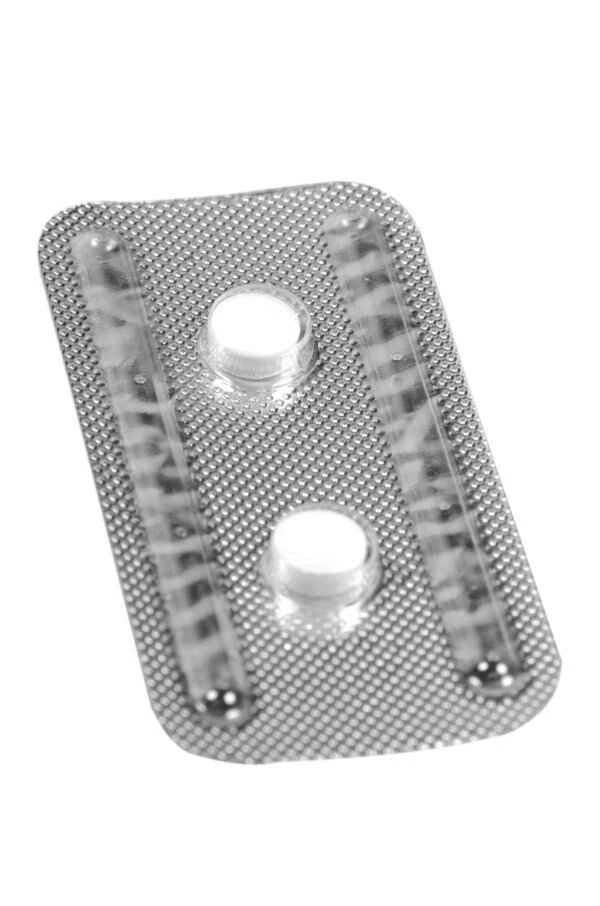
It's important to note that while anti-inflammatory drugs are crucial for preventing infection and promoting recovery, they are not suitable for all patients. When choosing anti-inflammatory medications, doctors consider various factors, including the patient's specific health condition, the type of surgery, and potential side effects. Patients should strictly follow their doctor's instructions when taking anti-inflammatory drugs and avoid self-purchasing or changing the dosage, as this may affect treatment effectiveness or cause unnecessary side effects.
[Management Tip:]
1. Strictly follow your doctor's prescription for anti-inflammatory medication; do not arbitrarily change the dosage or stop taking the medication.
2. Carefully observe the surgical site for signs of infection such as redness, swelling, or fever. If any abnormalities are found, seek medical attention promptly.
3. Maintain good personal hygiene habits, such as washing hands frequently and avoiding contact with sources of infection.
4. Follow your doctor's advice for postoperative check-ups to ensure proper wound healing.