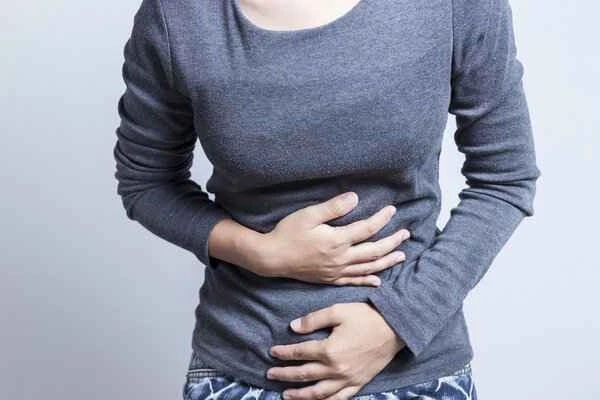
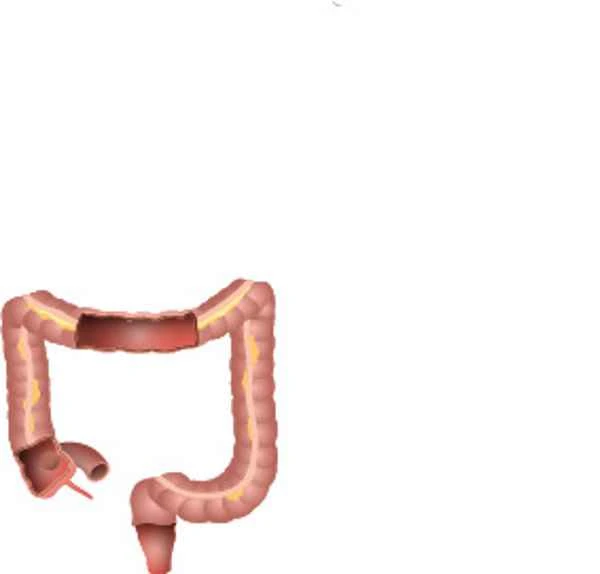
What medications are used for post-obstruction care? This mainly refers to a series of drug treatment measures taken during the recovery period of intestinal obstruction in order to promote the recovery of intestinal function, prevent the recurrence of intestinal obstruction, and improve the patient's overall health.
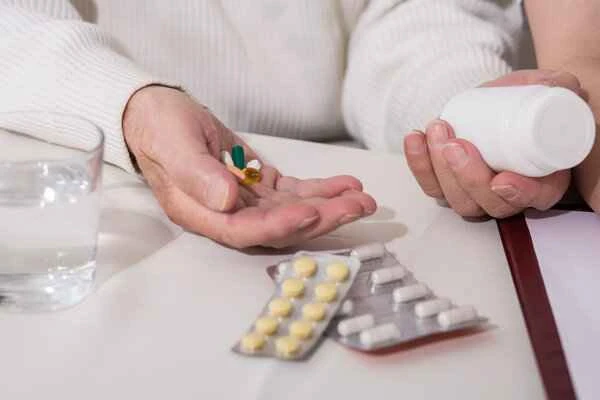
In the later stages of intestinal obstruction, medication is a crucial component of care. These medications typically include those that promote bowel movements, analgesics, and anti-inflammatory drugs. Medications that promote bowel movements, such as domperidone, can help restore normal intestinal motility; analgesics can relieve pain, such as ibuprofen; and anti-inflammatory drugs help reduce inflammation, such as nonsteroidal anti-inflammatory drugs (NSAIDs). The use of these medications requires a prescription from a doctor based on the patient's specific condition to ensure safety and effectiveness.
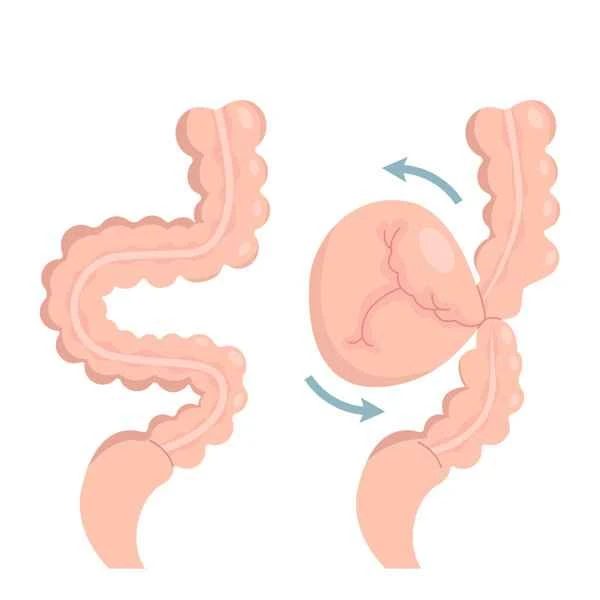
In the later stages of managing intestinal obstruction, the selection and use of medications need to comprehensively consider factors such as the patient's condition, physical status, and drug interactions. Simultaneously, drug therapy should be combined with non-pharmacological treatments such as dietary control and lifestyle modifications to achieve the best therapeutic effect. For example, dietary control can avoid irritating the intestines with food residue, thereby reducing the risk of intestinal obstruction; lifestyle modifications can improve the patient's intestinal function, such as increasing physical activity and maintaining good bowel habits.
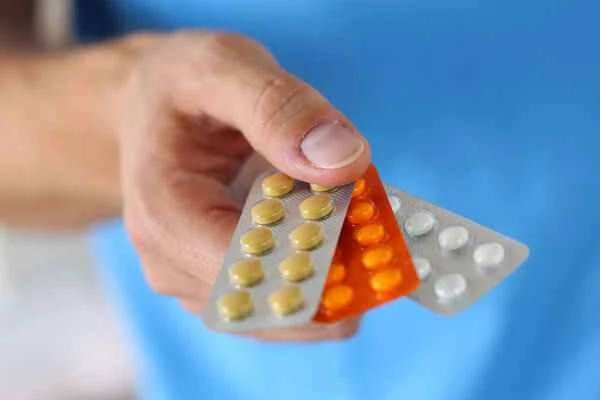
In the later stages of intestinal obstruction care, while medication can help restore bowel function, it also carries certain risks and misconceptions. For example, some patients may self-medicate, ignoring side effects and interactions, leading to adverse reactions. Others may over-rely on medication, neglecting non-pharmacological treatments such as dietary control and lifestyle modifications, resulting in poor treatment outcomes. Therefore, in the later stages of intestinal obstruction care, medication should be administered under the guidance of a doctor, combined with non-pharmacological treatments to achieve the best therapeutic effect.
[Management Tip:]
1. Use medication under the guidance of a doctor; avoid purchasing and using it on your own.
2. Follow your doctor's advice, adjust your diet, and avoid high-fiber foods.
3. Regular follow-up examinations to monitor the recovery of intestinal function.
4. Pay close attention to your physical condition and seek medical attention promptly if any abnormalities occur.