Neurogenic intestinal obstruction is clinically characterized by abnormal intestinal motility due to nervous system dysfunction, manifesting as a series of symptoms related to intestinal function. The clinical manifestations of neurogenic intestinal obstruction are important because they help doctors determine the cause of the intestinal dysfunction, thereby enabling them to implement targeted treatment measures.
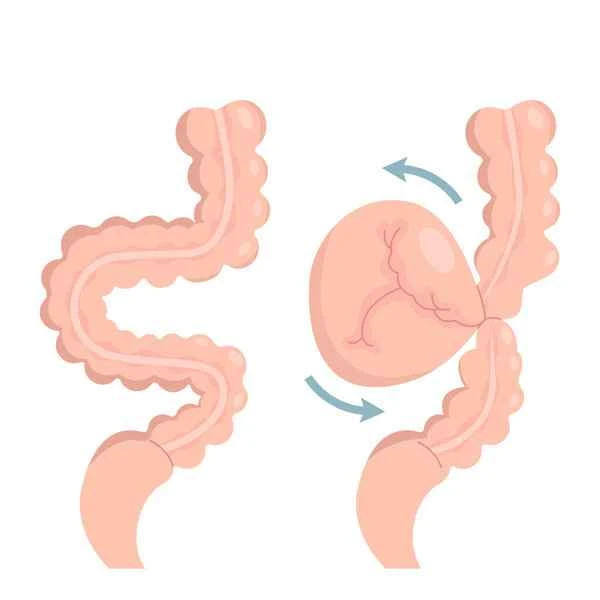
The clinical manifestations of neurogenic intestinal obstruction often arise because abnormalities in the nervous system impair the contraction and relaxation of intestinal muscles. This condition may be caused by factors such as neurological diseases, drug side effects, metabolic abnormalities, or psychological stress. Normal intestinal peristalsis is disrupted, leading to symptoms such as abdominal pain, bloating, and constipation. The specific manifestations and severity of these symptoms can vary from person to person.
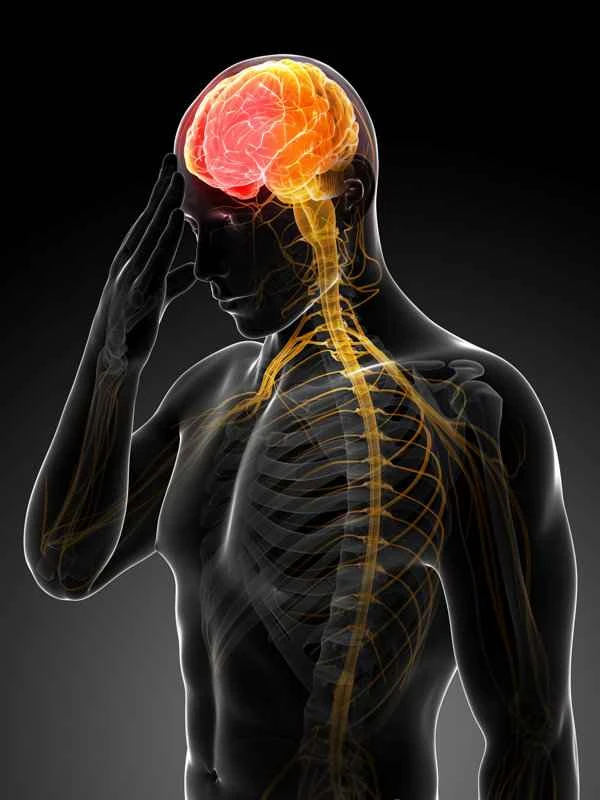
When understanding the clinical manifestations of neurogenic intestinal obstruction, it is important to recognize that these symptoms are not always caused by problems with the intestines themselves, but may originate from abnormalities in the nervous system. Faced with these symptoms, patients should not rely solely on self-diagnosis, but should seek the help of a professional physician for a thorough examination and evaluation. The doctor may use a series of tests, such as imaging studies and neurological function tests, to determine the specific cause of the symptoms and develop an appropriate treatment plan accordingly.
【Useful Tips】
1. Carefully observe and record the specific details of symptoms such as abdominal pain, bloating, and constipation, including the time, frequency, and duration of occurrence.
2. Maintaining good lifestyle habits, such as regular meals and moderate exercise, helps improve intestinal function.
3. Reducing mental stress and avoiding prolonged periods of tension and anxiety can help reduce the occurrence of neurogenic intestinal obstruction.
4. If the above symptoms occur, seek medical attention promptly and follow the doctor's advice for appropriate examinations and treatment.