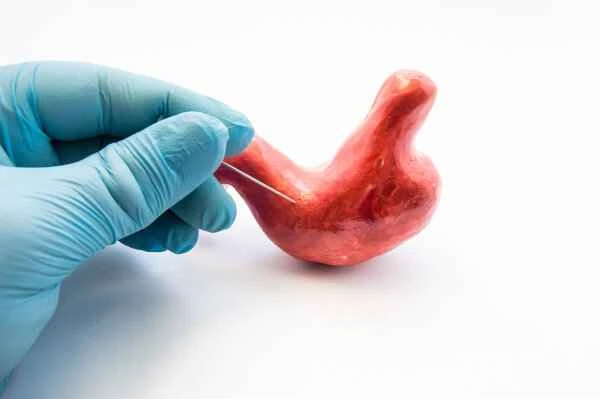
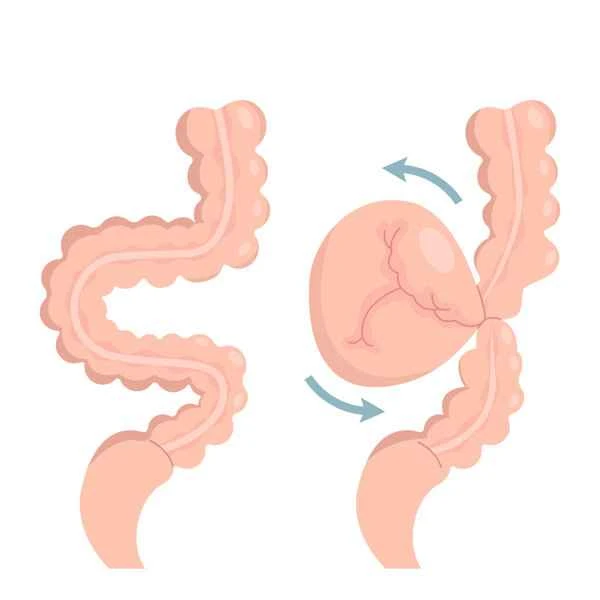
Intestinal polyps are abnormal tissues that grow on the intestinal mucosa. They can be benign or be a precursor to malignancy. Detecting intestinal polyps usually requires medical examinations.
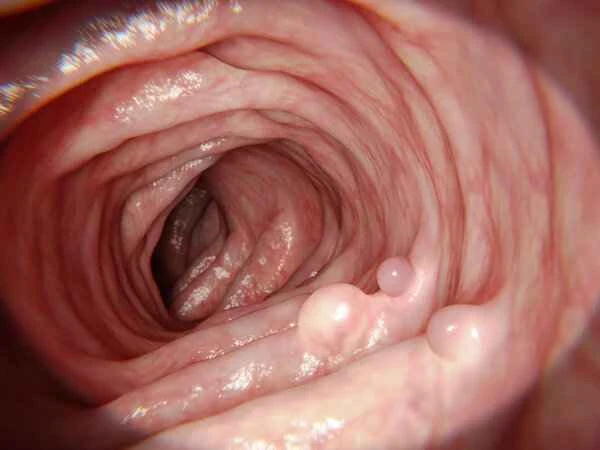
The most common examination method is colonoscopy. During the examination, the doctor uses a thin tube with a camera (colonoscope) to observe the inside of the entire large intestine. If polyps are found, the doctor can also perform a biopsy directly through the colonoscope to determine the nature of the polyps. If the patient experiences symptoms such as abdominal pain, changes in bowel habits, or rectal bleeding, these may be signs of intestinal polyps, and it is recommended to seek medical attention promptly for further examination.
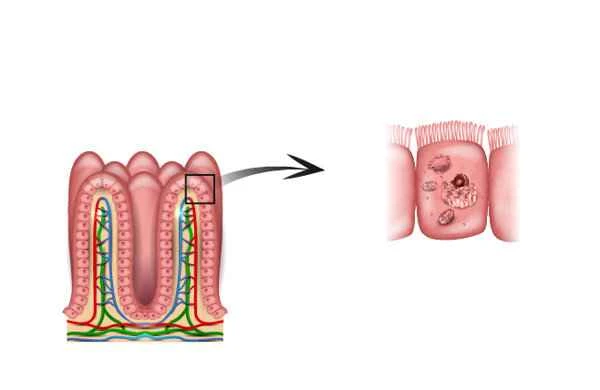
Another common examination method is CT colonography, also known as virtual colonoscopy. This method does not require the insertion of a colonoscope; instead, it generates images of the inside of the large intestine using CT scans. This method is a good alternative for patients who cannot tolerate colonoscopy. If a patient experiences severe abdominal pain, serious bleeding, or other abnormalities during the examination, the examination should be stopped immediately and medical attention sought.
In addition to the methods mentioned above, intestinal polyps can also be detected through a fecal occult blood test. This simple test can detect trace amounts of blood in the stool that are not visible to the naked eye, which may be a sign of intestinal polyps or other intestinal diseases. This test only provides indirect evidence; if the result is positive, the patient still needs to undergo further colonoscopy to confirm the presence of polyps.
[Management Tip:]
1. Have regular physical examinations, especially for people with a family history of the disease.
2. Maintain healthy eating habits, eat more vegetables and fruits, and reduce your intake of red meat and processed meats.
3. Maintain adequate physical activity and a normal weight.
4. Pay attention to bowel movements; if any abnormalities are found, seek medical attention promptly.