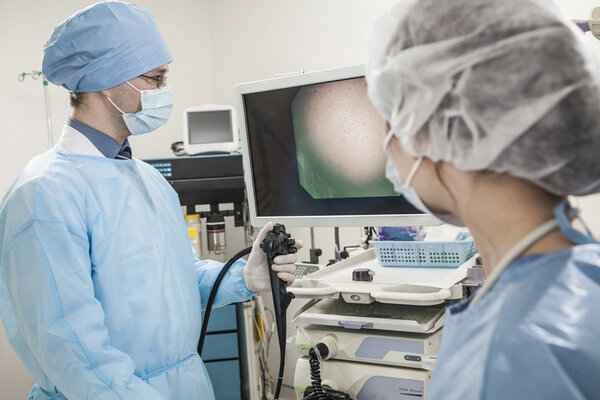
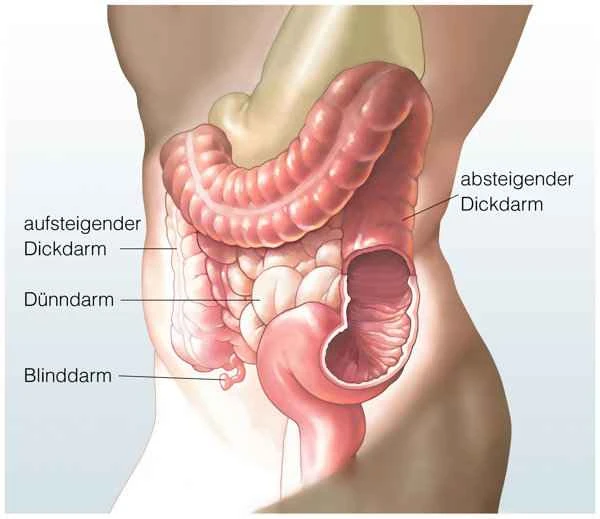
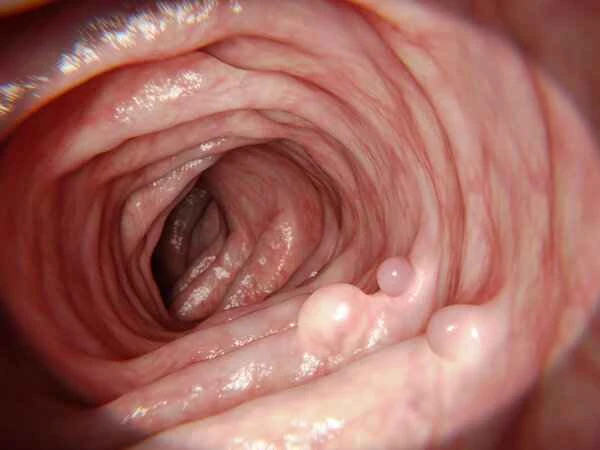
Intestinal polyps can cause gastrointestinal disorders. Intestinal polyps are abnormal tissues that grow on the inner wall of the intestines. They may be benign, but they can also be a precursor to malignancy. When intestinal polyps are present, they may interfere with normal intestinal function, including affecting intestinal motility and secretion, thus leading to symptoms of gastrointestinal disorders such as abdominal pain, diarrhea, or constipation.
Gastrointestinal disturbances caused by intestinal polyps are mainly related to the size, number, and location of the polyps. Larger polyps may partially obstruct the intestines, affecting the normal passage of food and causing discomfort such as abdominal pain and bloating. Simultaneously, the presence of polyps may irritate the intestinal mucosa, leading to an inflammatory response and further affecting normal intestinal function. Polyps may also cause changes in intestinal secretions, such as increasing or decreasing intestinal fluid secretion, leading to symptoms such as diarrhea or constipation.
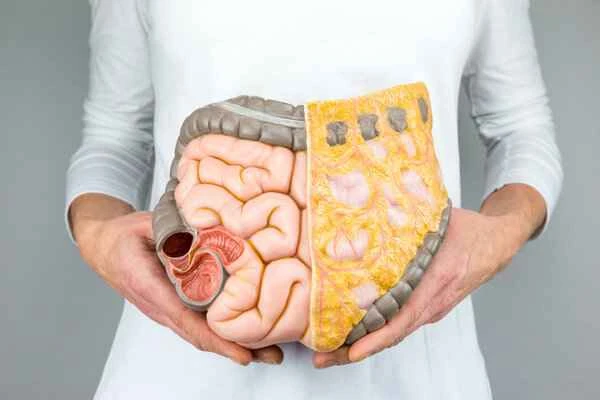
When considering treatment for intestinal polyps, it's important to understand the potential risks and common misconceptions surrounding the process. While polyp removal can relieve symptoms, not all polyps require immediate removal. Some smaller polyps may not cause noticeable symptoms and may even disappear on their own. Even after polyp removal surgery, patients need regular follow-up examinations to monitor for recurrence. Finally, treating intestinal polyps involves more than just surgery; it also requires dietary adjustments and lifestyle changes to reduce the risk of recurrence.
[Management Tip:]
1. Have regular colonoscopies to detect and treat polyps promptly.
2. Adjust your diet by reducing your intake of high-fat and high-protein foods and increasing your intake of dietary fiber.
3. Maintain regular lifestyle habits, avoid prolonged sitting, and appropriately increase physical activity.