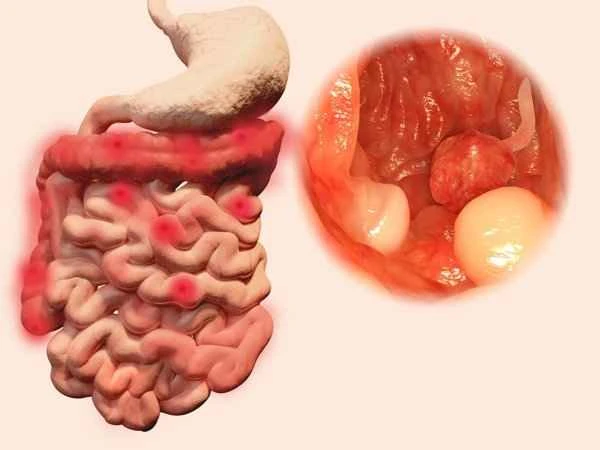
Intestinal polyposis is not uncommon in children; it refers to abnormal growths in the intestines. These polyps may be benign, but they can also develop into cancer. The causes of intestinal polyposis in children are varied, mainly related to genetic factors, dietary habits, and intestinal inflammation.

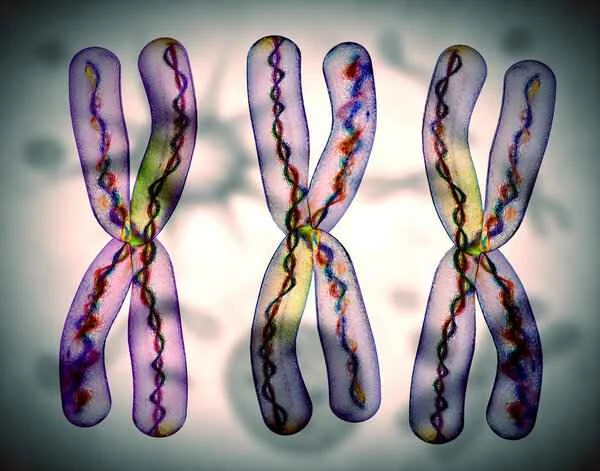
Genetic factors are a significant cause of intestinal polyposis in children. Certain hereditary diseases, such as familial adenomatous polyposis (FAP), increase the risk of intestinal polyposis in children. These genetic diseases often have a familial predisposition, making children more susceptible to intestinal polyps. Environmental factors and lifestyle habits can also influence the formation of intestinal polyps. For example, excessive intake of high-fat, high-protein foods may promote polyp growth. Similarly, a long-term low-fiber diet in children may also increase the risk of intestinal polyps. Furthermore, intestinal inflammation, such as inflammatory bowel disease (IBD), also increases the likelihood of children developing intestinal polyps. This type of disease causes the intestines to be in a chronic state of inflammation, thereby promoting polyp formation.
If a child experiences persistent abdominal pain, bloody stools, constipation, or diarrhea, they should be taken to a doctor immediately for a thorough examination. Parents should avoid confusing intestinal polyps with common gastrointestinal discomfort to prevent delays in diagnosis. It is also important to emphasize that each child's situation is unique; therefore, diagnosis and treatment should be based on a comprehensive assessment by a professional physician.
[Prevention Tips:]
1. Maintain a balanced diet, reduce the intake of high-fat and high-protein foods, and increase the intake of dietary fiber.
2. Encourage children to engage in more outdoor activities and maintain a healthy lifestyle.
3. Have regular physical examinations to detect and treat intestinal problems in a timely manner.