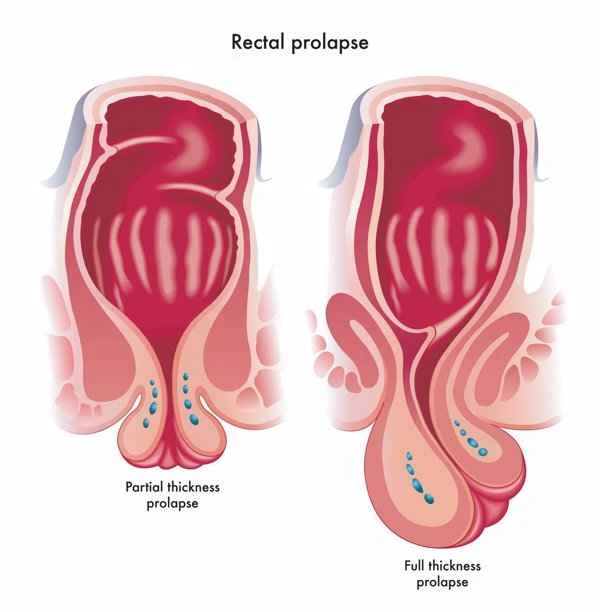
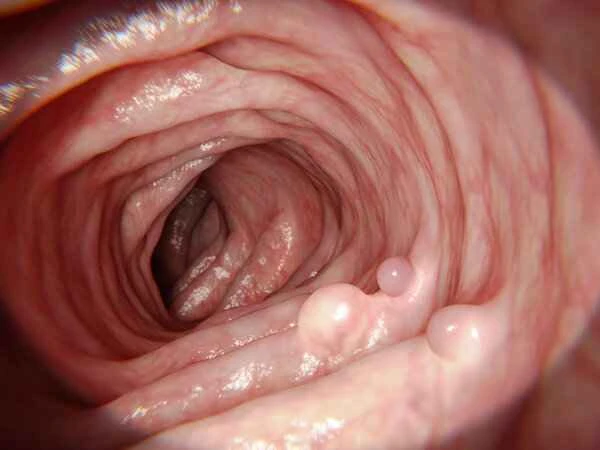
After treatment for intestinal obstruction, bloating may occur. This is closely related to the recovery of intestinal function during treatment. During the treatment of intestinal obstruction, doctors typically take a series of measures to alleviate symptoms, including fasting, gastrointestinal decompression, and antibiotics to prevent infection. In the early stages of treatment, because intestinal motility has not fully recovered, gas in the intestines cannot be expelled smoothly, leading to bloating. Unabsorbed food residue may also remain in the intestines; this residue ferments and produces gas, further exacerbating bloating. As treatment progresses and intestinal function gradually recovers, the bloating will gradually lessen.
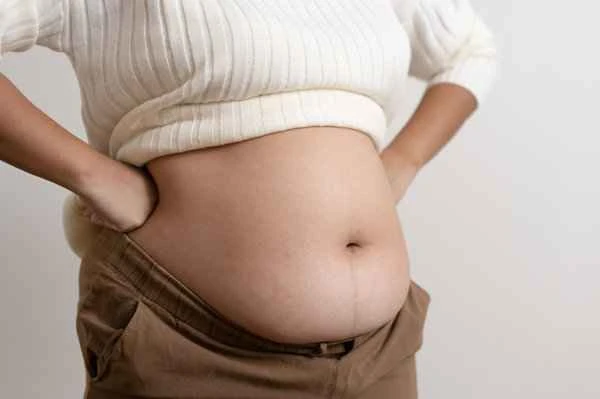
The occurrence of bloating after treatment for intestinal obstruction requires consideration of the progress of bowel function recovery and potential complications. Bowel function recovery is a gradual process that takes time. Bloating is common during this period, but if bloating persists for an extended period or is accompanied by severe pain, fever, or other symptoms, it may indicate complications such as intestinal perforation or necrosis. Patients should closely monitor changes in their symptoms after treatment and communicate with their doctor promptly to detect and address potential problems early.
[Management Tip:]
1. Observe the bloating. If the bloating lasts for too long or is accompanied by other serious symptoms, you should seek medical attention in time.
2. Follow your doctor's instructions to gradually resume your diet, and avoid eating foods that easily produce gas.
3. Maintain good lifestyle habits, such as moderate exercise, to promote intestinal peristalsis.