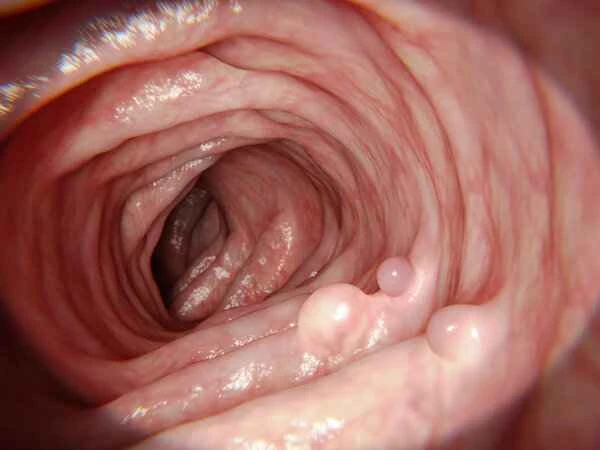
If a polyp is found to be larger than 5 millimeters in diameter during a colonoscopy, a biopsy is usually required.
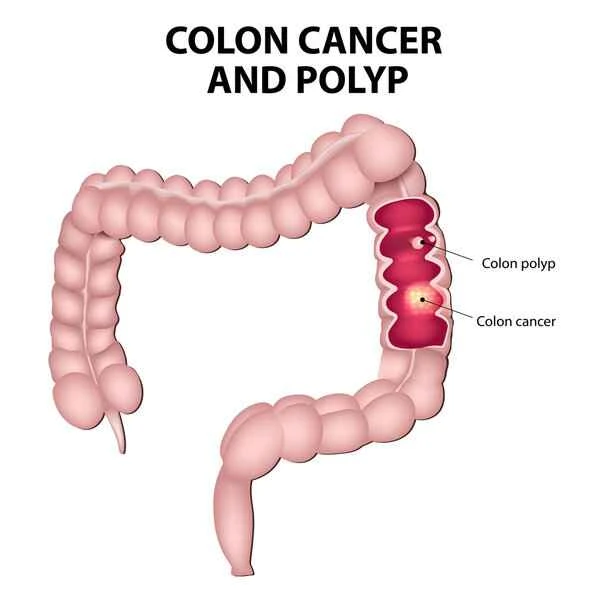
Biopsy during colonoscopy is performed to more accurately determine the nature of polyps, including whether they are benign or malignant, and whether further treatment is needed. This step is crucial for the early detection and treatment of intestinal diseases.
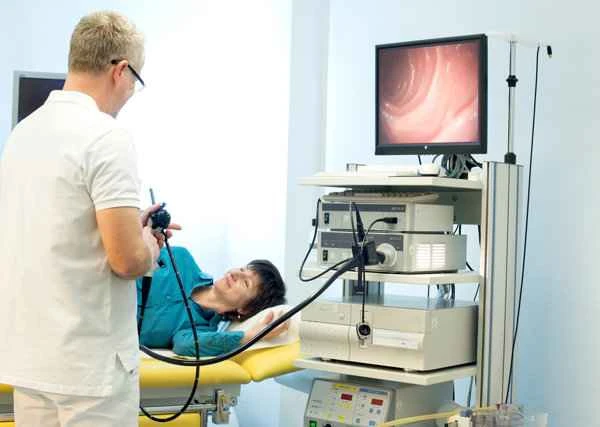
During a colonoscopy, the doctor will determine whether a biopsy is necessary based on the size, shape, and surface characteristics of the polyp. Generally, the necessity of a biopsy increases significantly when the polyp diameter exceeds 5 millimeters, as polyps of this size have a higher risk of malignant transformation. A biopsy, by taking a small tissue sample for pathological examination, can provide more detailed diagnostic information.

After receiving the test results, we should interpret this information according to the doctor's advice. Biopsy results may show the polyp is benign, malignant, or indeterminate. It's important to view these results objectively, avoiding excessive panic or ignoring potential risks. At the same time, we should be wary of potential misunderstandings or deviations in following the doctor's advice, such as overtreatment or undertreatment.
【Useful Tips:】
1. If a polyp is found to be larger than 5 mm in diameter during a colonoscopy, a biopsy is usually required.
2. Biopsy results are crucial for determining the nature of the polyp, including whether further treatment is needed.
3. Treat the test results objectively and avoid excessive panic or ignoring potential risks.
4. When following your doctor's advice, be careful to avoid misunderstandings or deviations in treatment.