Appendiceal mucinous tumor is a tumor that may have a malignant tendency, but it is not always cancerous.

Appendiceal mucinous tumors are important because they may indicate potential malignancy, but not all appendiceal mucinous tumors will develop into cancer. Understanding this helps us to detect and manage potential health risks in a timely manner.
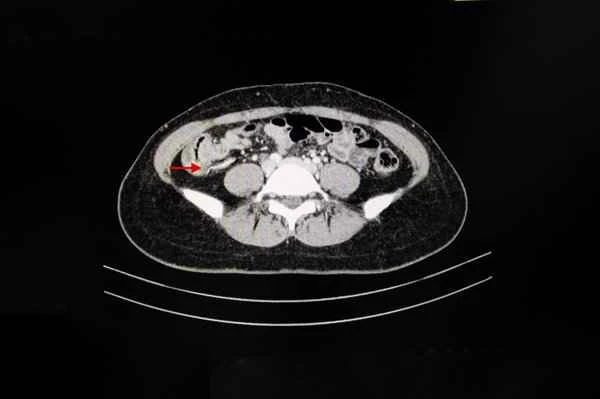
Appendiceal mucinous tumors are tumors originating from cells within the wall of the appendix that produce mucus. These tumors can be classified into several types, including appendiceal mucinous cystadenoma and appendiceal mucinous cystadenocarcinoma. The cellular morphology and tissue structure of these tumors help doctors determine their malignancy. Tumors are defined as cancerous only when they exhibit high atypia, aggressive growth, or distant metastasis.

When reviewing test results, it's important to interpret this information objectively. High or low numbers may indicate the size, location, or degree of cellular atypia of the tumor, but a final diagnosis requires a comprehensive assessment of multiple test results and clinical presentation. When following your doctor's advice, the most important thing is to avoid excessive panic and not ignore potential risks. The correct approach is to have regular follow-up appointments, closely monitor changes in the tumor, and seek medical attention promptly if any abnormal symptoms appear.
【Useful Tips】
1. Have regular abdominal checkups, especially if you have related symptoms or a family history of the condition.
2. If diagnosed with appendiceal mucinous carcinoma, a detailed understanding of the specific type and malignancy of the tumor should be obtained.
3. Maintain good lifestyle habits, such as a balanced diet and moderate exercise, to enhance the body's resistance.
4. Follow your doctor's instructions for necessary treatment and follow-up. Do not interrupt or change your treatment plan on your own.