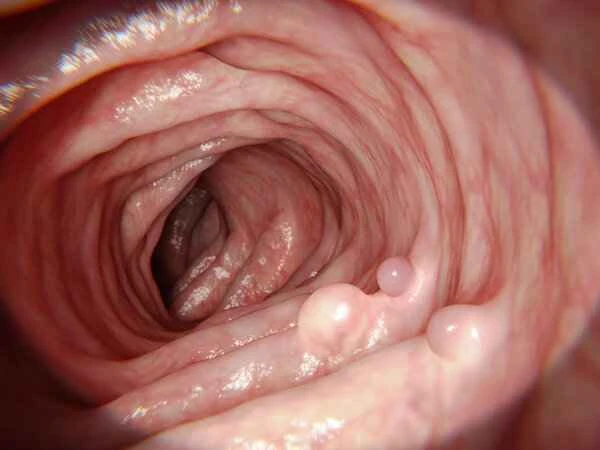
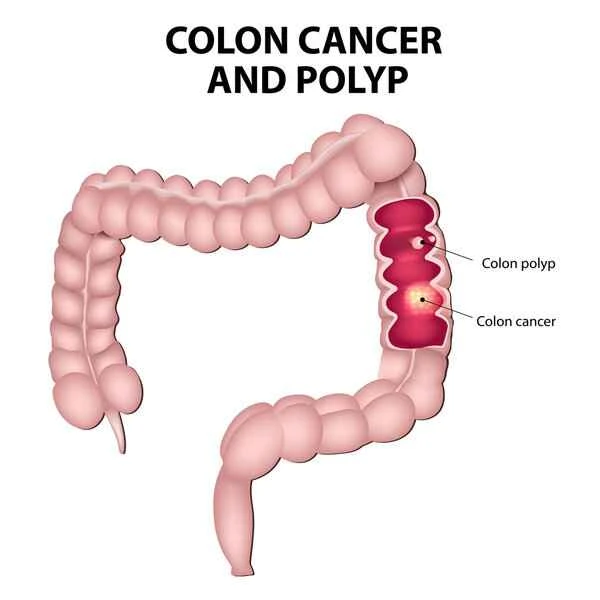
Intestinal polyps are not necessarily serious, but their severity depends on a comprehensive assessment of their nature, size, and location. Hyperplastic polyps are a type of intestinal polyp, generally considered benign, and in most cases do not develop into cancer. The presence of hyperplastic polyps may indicate changes in the intestinal environment and may sometimes be associated with other types of polyps or early-stage cancer. While hyperplastic polyps themselves are not serious, regular monitoring and appropriate treatment are necessary to prevent potential risks.

The formation of hyperplastic polyps is related to a variety of factors, including genetic factors, dietary habits, and lifestyle. These polyps are usually small, grow slowly, and in most cases do not cause symptoms. However, the potential risk increases if the polyps are large or numerous, or if other types of polyps, such as adenomatous polyps, are present. For patients diagnosed with hyperplastic polyps, doctors usually recommend further examination to assess the nature of the polyps and develop an appropriate treatment plan based on the examination results.
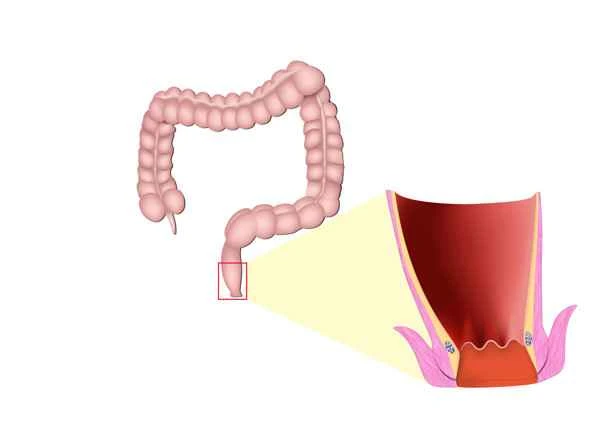
When managing hyperplastic polyps, in addition to focusing on the polyp itself, it's necessary to consider the patient's overall health, including the presence of other diseases and family history. These factors all influence the treatment and management of the polyp. After the discovery of hyperplastic polyps, patients should work closely with their doctors for regular monitoring and appropriate treatment to ensure that any potential risks are detected and addressed promptly.
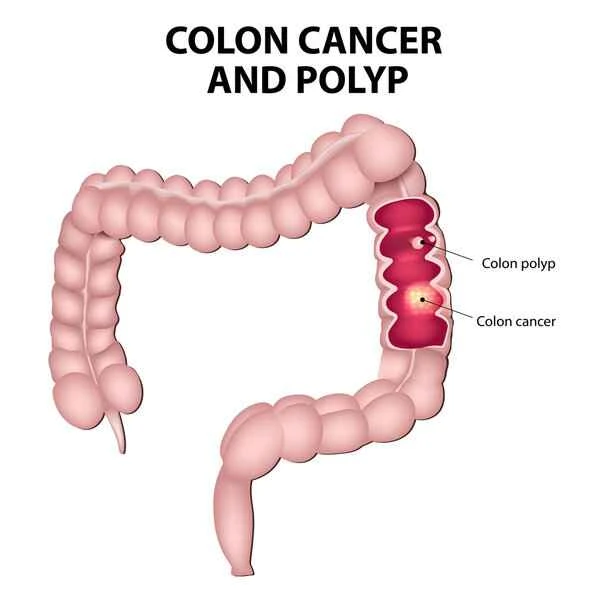
[Management Tip:]
1. Have regular colonoscopies to detect and treat polyps promptly.
2. Adjust your diet, increase your intake of dietary fiber, and reduce your consumption of red meat and processed meat.
3. Maintain a healthy lifestyle and avoid smoking and excessive alcohol consumption.
4. If symptoms such as abdominal pain or rectal bleeding occur, seek medical attention promptly.