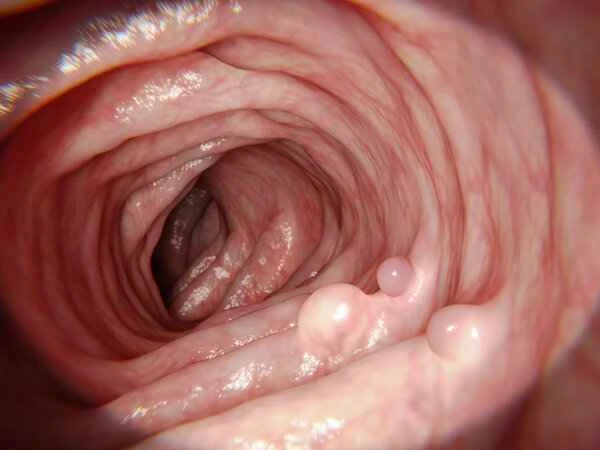
Patients with cerebral infarction and intestinal obstruction need to avoid certain foods in their diet to reduce the risk of their condition worsening.
Dietary considerations differ for stroke patients and those with intestinal obstruction. For stroke patients, dietary control primarily aims to reduce blood viscosity, decrease the risk of thrombosis, and thus prevent stroke recurrence. High-fat and high-cholesterol foods, such as organ meats, fatty meats, and fried foods, should be avoided, as these increase blood viscosity and burden blood vessels. For intestinal obstruction patients, dietary control focuses on reducing the burden on the intestines and preventing food residue from irritating them and worsening the condition. Difficult-to-digest foods, such as high-fiber foods (e.g., celery, leeks), raw or cold foods, and spicy or irritating foods, should be avoided, as these increase intestinal burden, slow intestinal motility, and exacerbate intestinal obstruction symptoms.
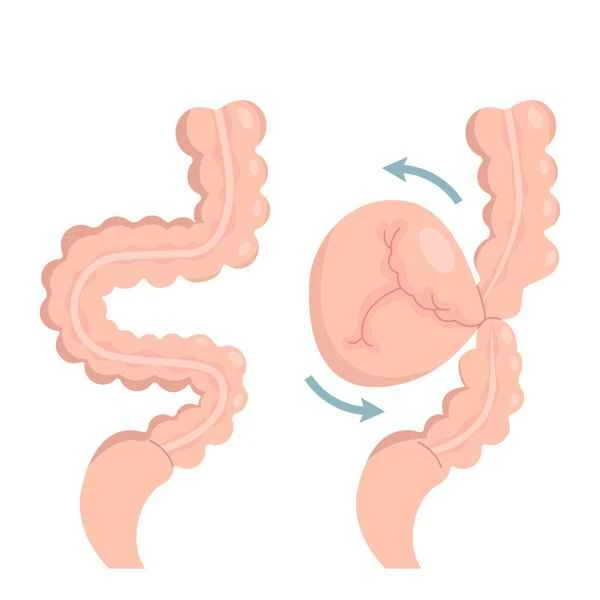
During the treatment of cerebral infarction and intestinal obstruction, patients may face some potential risks and misconceptions. For example, some patients may mistakenly believe that all fats are harmful and therefore completely avoid fat intake, which can lead to malnutrition. In fact, moderate intake of healthy fats, such as fish oil and olive oil, helps improve blood circulation and is beneficial for cerebral infarction patients. Similarly, for patients with intestinal obstruction, excessive dietary restriction may lead to malnutrition and affect recovery. Reasonable dietary control should be carried out under the guidance of a doctor to ensure that nutritional needs are met while avoiding exacerbating the condition.
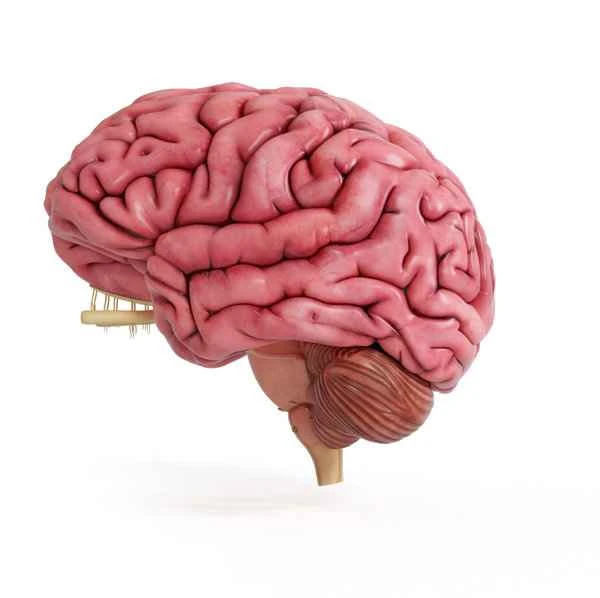
[Management Tip:]
1. Patients with cerebral infarction should avoid high-fat and high-cholesterol foods, such as animal organs, fatty meat, and fried foods.
2. Patients with intestinal obstruction should avoid foods that are difficult to digest, such as high-fiber foods, raw or cold foods, and spicy or irritating foods.
3. Maintain a reasonable diet to ensure balanced nutrition and avoid malnutrition.
4. Monitor your physical condition regularly, and seek medical attention promptly if you experience any discomfort.