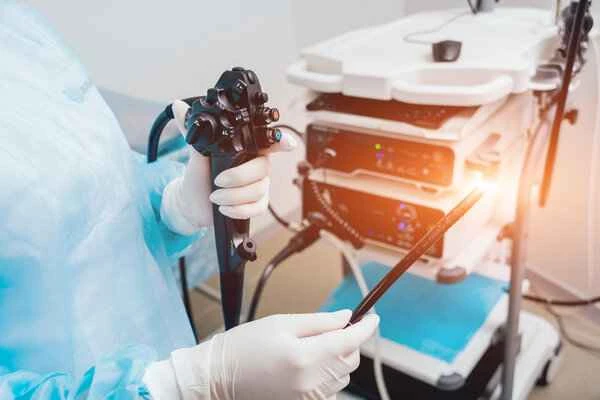
Anal pain during colon polyp removal is normal in some cases, usually because the presence of the polyp causes some degree of irritation or pressure to the anus and rectum.
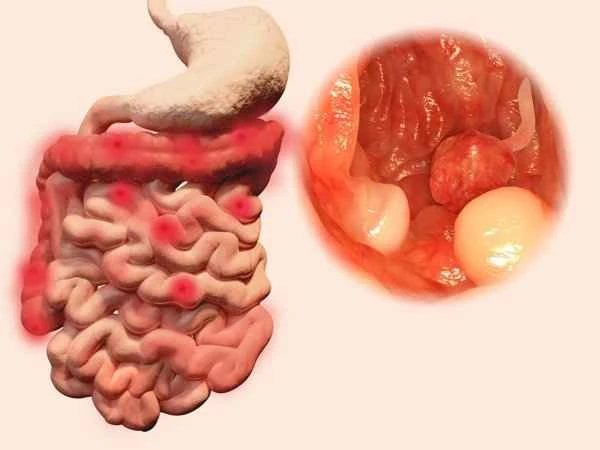
Anal pain during colorectal polyp removal is usually due to irritation or pressure from the polyp on the anus and rectum. Polyps are abnormal growths on the colonic mucosa, mostly benign, but they can cause discomfort, including pain. The degree and nature of the pain can vary depending on the size and location of the polyp, and whether it is accompanied by inflammation or infection. The presence of polyps can cause discomfort or pain during bowel movements, especially when the polyp is located at the end of the colon or near the anus. If the polyps are large or numerous, they may cause intestinal obstruction or bleeding, leading to pain. In some cases, polyps may become malignant and develop into malignant tumors. In such cases, pain may be accompanied by other symptoms, such as weight loss and anemia.
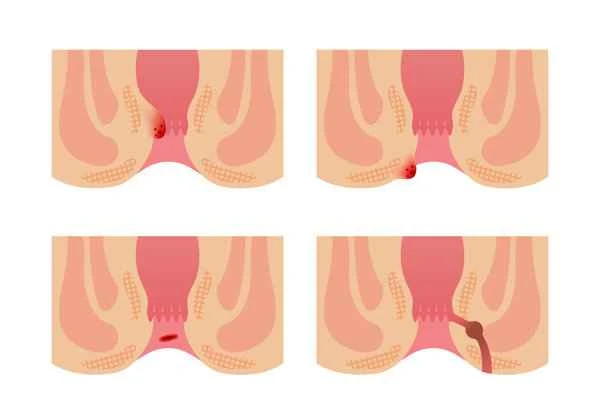
When experiencing anal pain due to colorectal polyps, it's important to recognize that the pain can be a warning sign that the polyps pose a potential health threat. Timely medical examination and treatment are essential. Your doctor may recommend an endoscopy to determine the size, number, and location of the polyps and assess their potential impact on your health. Based on the examination results, your doctor may recommend polyp removal surgery or other treatments to alleviate symptoms and prevent potential complications.
[Management Tip:]
1. Have regular colonoscopies, especially if you have a history of polyps.
2. Maintain a healthy lifestyle, including a balanced diet and moderate exercise.
3. If you experience persistent or worsening anal pain, you should seek medical attention promptly.