Whether postoperative intestinal obstruction can heal spontaneously depends on a variety of factors, including the type and severity of the obstruction, as well as the patient's overall health. Postoperative intestinal obstruction is a common complication that occurs after surgery due to surgical procedures or postoperative complications, leading to impaired bowel function and the inability to move and transport contents normally. The likelihood of spontaneous resolution is closely related to the cause of the obstruction, its duration, and the presence of other complications. For example, mechanical intestinal obstruction is often caused by adhesions formed during surgery. In such cases, the intestine may gradually adapt to the new anatomy over time, thus restoring normal peristaltic function. If the obstruction is paralytic ileus caused by postoperative inflammation or adhesions, the likelihood of spontaneous resolution is lower, and medication or further surgical intervention may be required to relieve the obstruction.

When managing postoperative bowel obstruction, doctors consider the patient's specific situation comprehensively, including the type of obstruction, its duration, and the presence of other complications. The choice of treatment depends on the cause and severity of the obstruction. For mild mechanical bowel obstruction, if the patient does not have significant abdominal pain or other severe symptoms, conservative treatment may be used, such as fasting, gastrointestinal decompression, intravenous fluids, and medication to relieve symptoms. For severe or persistent bowel obstruction, surgical intervention may be necessary to relieve the obstruction. Postoperative care and rehabilitation are also very important, including appropriate dietary adjustments and physical activity to promote the recovery of bowel function.
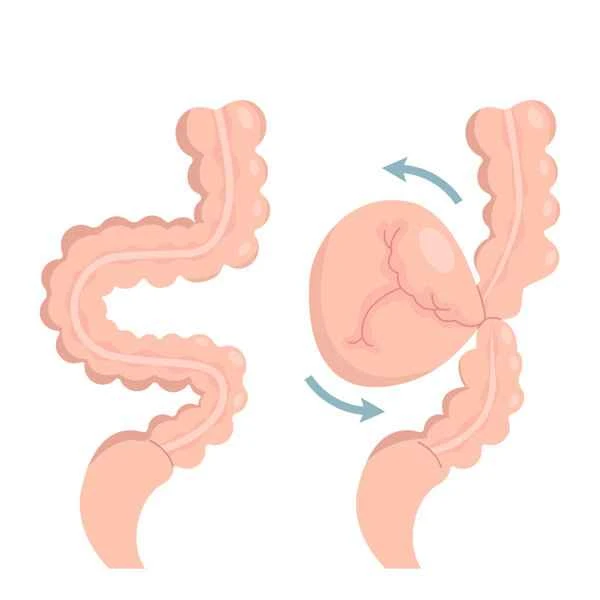
There are several potential risks and misconceptions associated with treating postoperative bowel obstruction. Bowel obstruction does not always resolve completely on its own, especially for obstructions caused by serious complications such as severe adhesions or postoperative inflammation. Even in cases of mild bowel obstruction, the condition can worsen without proper treatment and management, potentially requiring surgical intervention. Timely and accurate diagnosis and individualized treatment plans are crucial for improving treatment outcomes and reducing complications. Patients and their families should understand that even in cases of postoperative bowel obstruction, active medical intervention and appropriate rehabilitation measures are necessary, and one cannot rely solely on spontaneous remission.
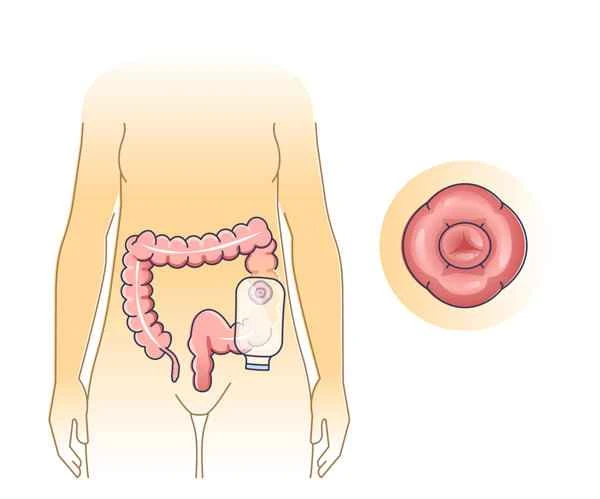
[Management Tip:]
1. Closely monitor the patient's abdominal pain and bowel movements.
2. Adjust your diet and follow your doctor's advice for appropriate dietary control.
3. If you experience persistent abdominal pain, vomiting, or bloating, you should seek medical attention promptly.