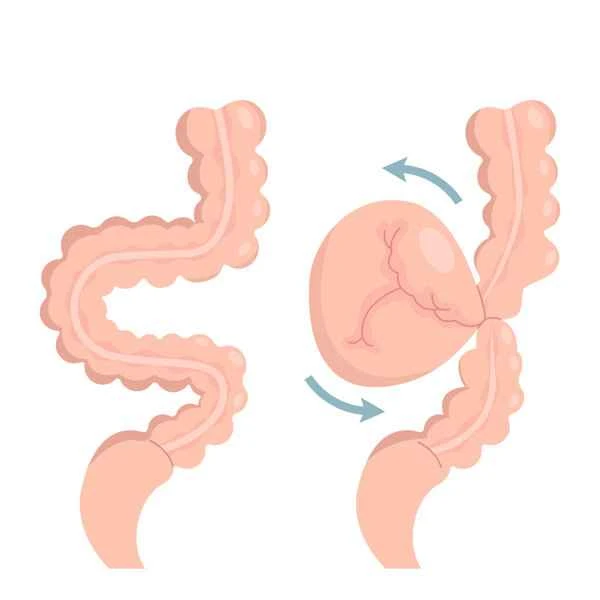
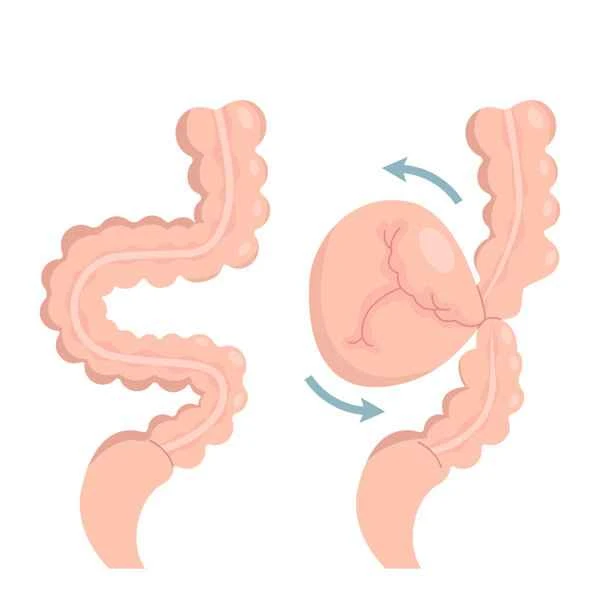
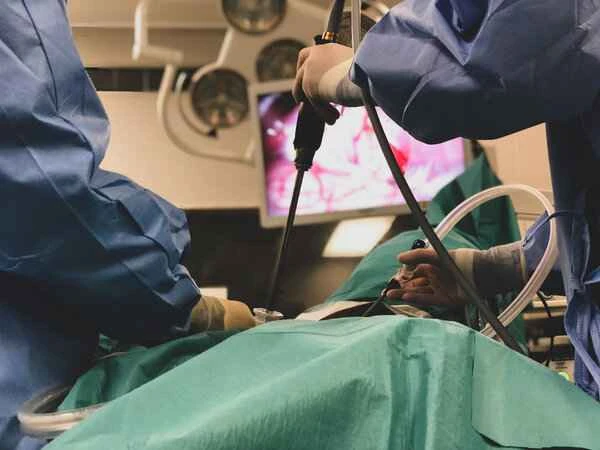
After colon polyp surgery, the best medications to take are primarily to promote wound healing, prevent infection, and reduce the risk of postoperative complications. The choice of medication depends on the patient's specific situation, including the surgical method, pathology results, and individual health condition. Typically, doctors will prescribe antibiotics to prevent infection, painkillers to relieve pain, and possibly anti-inflammatory drugs to reduce inflammation. For certain types of polyps, such as adenomatous polyps, postoperative medications may be necessary to reduce the risk of polyp recurrence, such as nonsteroidal anti-inflammatory drugs (NSAIDs) or specific anti-inflammatory drugs.

The mechanisms of action of medications during postoperative recovery are multifaceted. Antibiotics kill or inhibit bacterial growth, thus preventing infection. Pain relievers reduce pain by acting on the nervous system, aiding in better recovery. Anti-inflammatory drugs reduce inflammation and promote wound healing. For certain types of polyps, postoperative medication may not only promote recovery but also reduce the risk of polyp recurrence; these drugs may work by suppressing inflammation or regulating cell growth. The selection and use of medications require comprehensive consideration of the patient's individual circumstances, the nature of the polyp, and the specific details of the surgery.

While medication can aid recovery after polyp surgery, it also carries certain risks and misconceptions. Over-reliance on medication may mask underlying health issues such as malnutrition or chronic diseases, which can hinder the recovery process. Some patients may mistakenly believe they need to take a certain medication long-term to prevent polyp recurrence, neglecting lifestyle adjustments and regular medical checkups. In reality, medication should be combined with a healthy lifestyle, including a balanced diet, moderate exercise, and avoiding unhealthy habits like smoking, to more effectively promote recovery and prevent disease. When choosing and using postoperative medications, patients should follow their doctor's instructions, paying attention to individual differences and potential risks to ensure treatment effectiveness and safety.
[Management Tip:]
1. Regular follow-up examinations after surgery to monitor the body's recovery.
2. Pay attention to a healthy diet and avoid high-fat and high-sugar foods.
3. If persistent discomfort or abnormal symptoms occur, seek medical attention promptly.