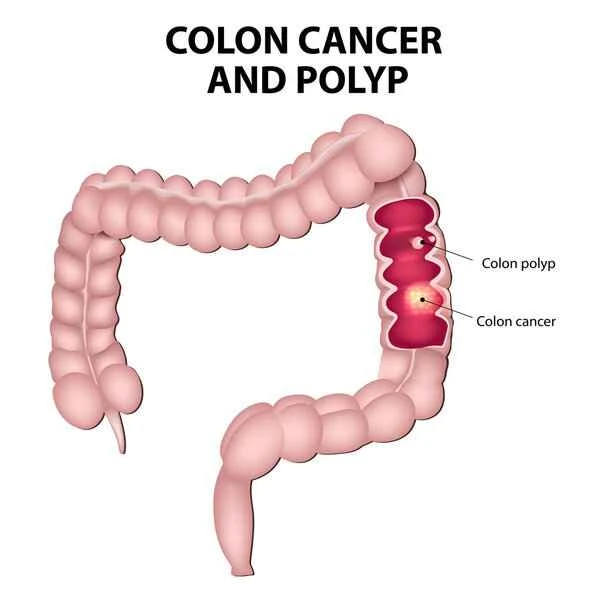
Patients with intestinal polyps can eat some low-fat, high-protein fish, such as salmon and cod, in moderation.
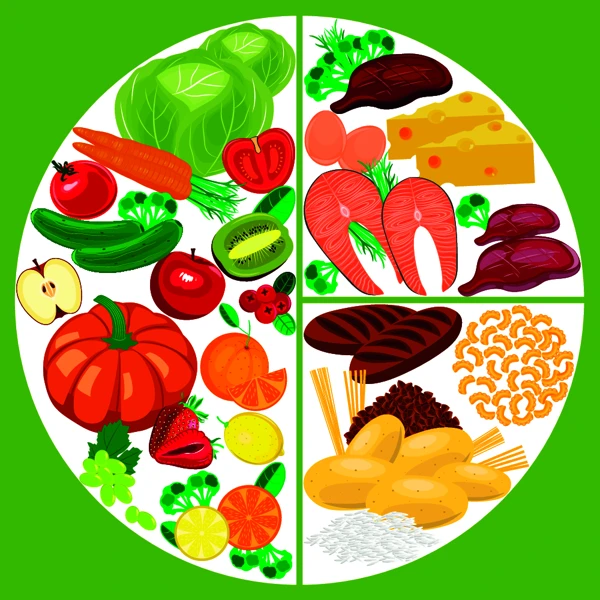
Intestinal polyps are a common intestinal disease closely related to dietary habits. Fish is rich in high-quality protein, which is easily digested and absorbed, and contains abundant unsaturated fatty acids, such as omega-3 fatty acids, which are beneficial to intestinal health. Salmon and cod, in particular, are low in fat and rich in vitamins D and E, which help boost the immune system and reduce inflammation, thus benefiting patients with intestinal polyps.

In their daily diet, patients with intestinal polyps should not only choose suitable fish, but also pay attention to the diversity and balance of their diet. They should ensure the freshness of the fish and avoid consuming spoiled ingredients to prevent bacterial infection. Cooking methods should primarily involve steaming, boiling, or grilling, avoiding frying as much as possible to reduce fat intake. Finally, they should ensure adequate intake of vegetables and whole grains to guarantee sufficient dietary fiber, which is beneficial for intestinal health.
[Life Tips:]
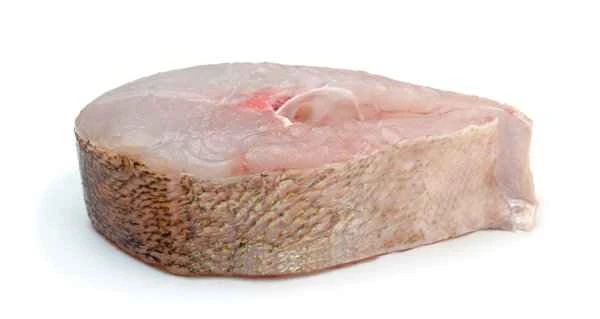
1. Choose fresh, low-fat fish, such as salmon and cod.
2. Use healthy cooking methods, such as steaming, boiling, or baking.
3. Eat a diverse diet, including plenty of vegetables and whole grains.
4. Pay attention to food hygiene and avoid eating spoiled food.