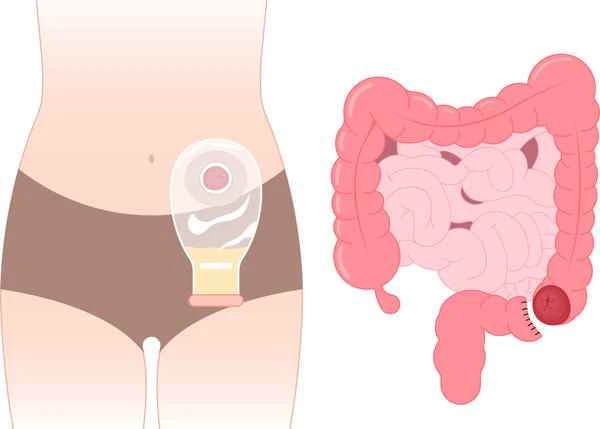
The occurrence of hydronephrosis during chemotherapy for stomach cancer indicates that kidney function has been affected during treatment, which is a signal that requires close monitoring.
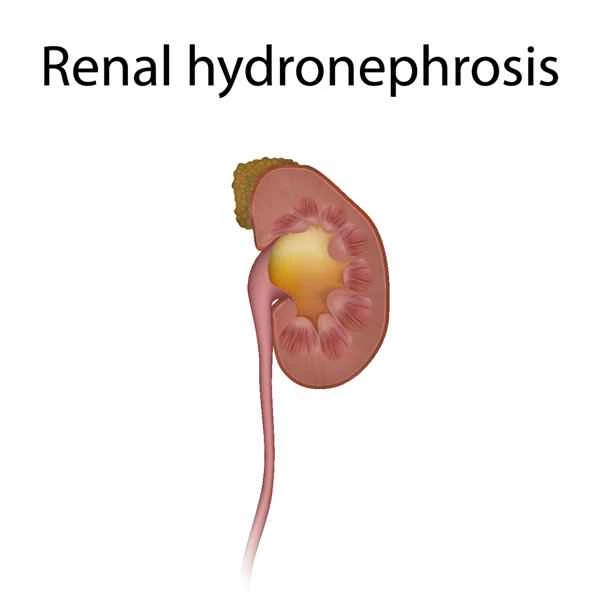
Hydronephrosis during chemotherapy for stomach cancer indicates that the chemotherapy drugs may be putting a strain on the kidneys, causing them to be unable to properly excrete waste and excess water, resulting in fluid accumulation. The severity of this condition depends on the extent of the hydronephrosis and the patient's overall health. Hydronephrosis can lead to decreased kidney function and even complications such as infections and high blood pressure, thus affecting the patient's quality of life. Timely diagnosis and treatment of hydronephrosis are crucial for improving patient prognosis.
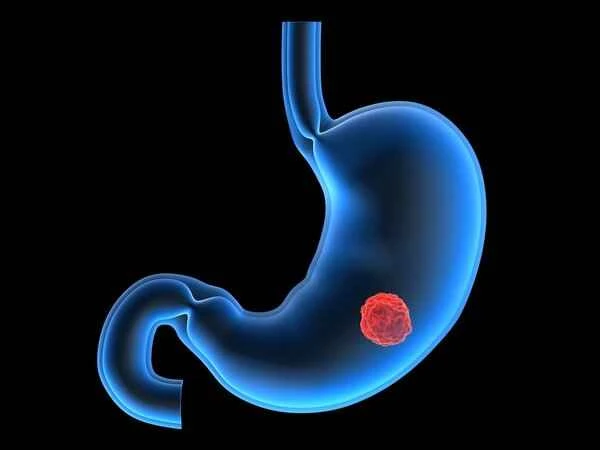
When patients experience hydronephrosis during chemotherapy for stomach cancer, it's important for them and their families to understand that hydronephrosis not only reflects impaired kidney function but may also indicate the toxic effects of chemotherapy drugs on the kidneys. In such cases, doctors may adjust the chemotherapy regimen to reduce the burden on the kidneys while taking measures to promote kidney function recovery. Managing hydronephrosis is not a quick fix; it requires a comprehensive consideration of the patient's individual differences, the degree of kidney damage, and the timing of treatment to develop the most appropriate treatment strategy.
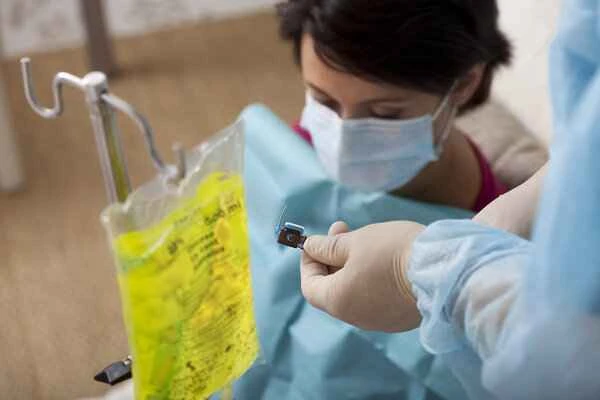
[Management Tip:]
1. Regularly monitor kidney function indicators, such as serum creatinine and blood urea nitrogen levels.
2. Adjust your diet to reduce salt intake and avoid putting extra strain on your kidneys.
3. If symptoms such as lower back pain or decreased urine output occur, seek medical attention promptly.