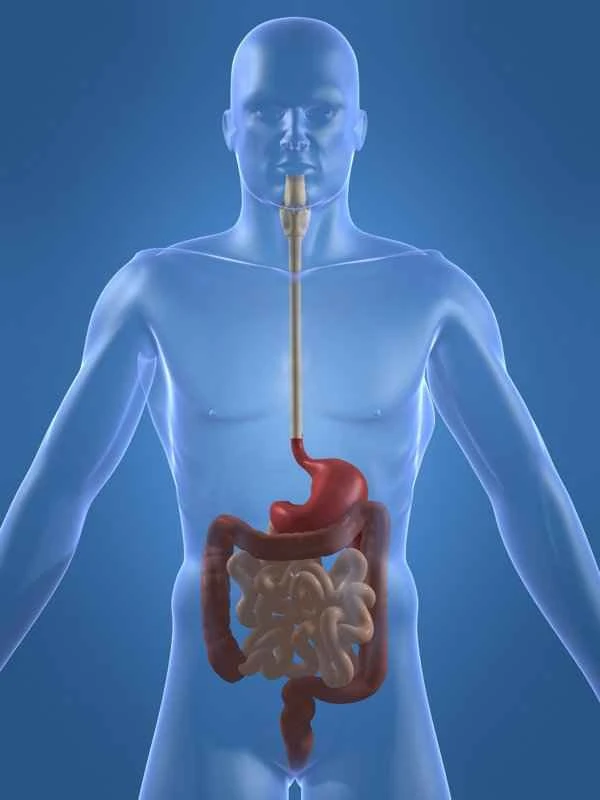
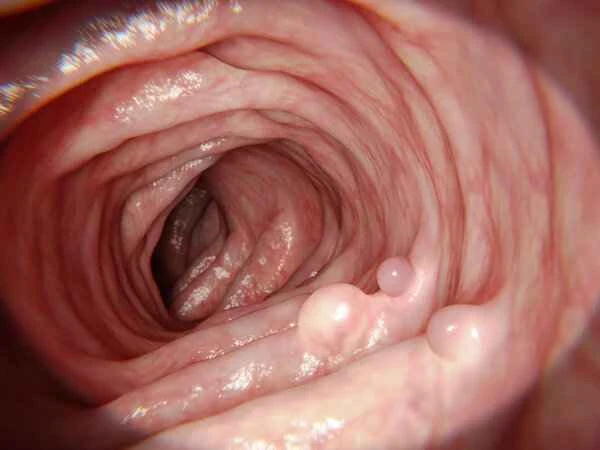
Intestinal obstruction is a condition where substances cannot pass through the intestines normally. Its importance lies in the fact that if the intestines cannot function properly, food residue and gas cannot be expelled smoothly, which can lead not only to severe abdominal discomfort but also to a series of complications such as dehydration, electrolyte imbalance, and even intestinal necrosis. Understanding and timely management of intestinal obstruction are crucial for maintaining intestinal health.

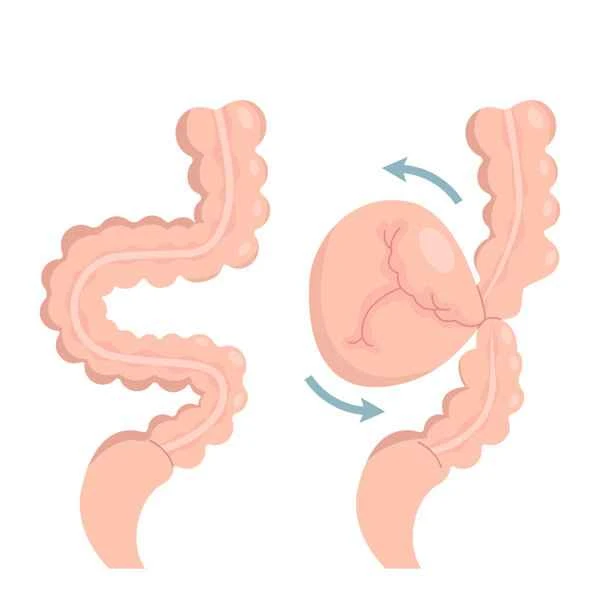
Intestinal obstruction occurs through a variety of mechanisms, including mechanical obstruction (such as tumors, hernias, and volvulus) and functional obstruction (such as paralytic ileus). Mechanical obstruction occurs when a physical barrier within the intestine or on the intestinal wall prevents the passage of contents, while functional obstruction is caused by impaired intestinal motility. Regardless of the type, intestinal obstruction leads to the accumulation of intestinal contents, resulting in symptoms such as abdominal distension, pain, and vomiting.
When faced with a diagnosis of intestinal obstruction, it's crucial to objectively assess its severity. Doctors will determine the degree of obstruction based on the patient's symptoms, signs, and imaging findings. Typically, an abdominal X-ray will show a dilated segment of the intestine, a typical sign of intestinal obstruction. It's important to note that the diagnosis of intestinal obstruction cannot rely solely on a single test result; it requires a comprehensive assessment combining the patient's clinical presentation and other auxiliary examinations. During treatment, patients should be alert to potential complications such as intestinal perforation or intestinal necrosis, which are warning signs requiring close monitoring during the treatment of intestinal obstruction.
【Useful Tips:】
1. Pay attention to your eating habits and avoid consuming excessive amounts of hard-to-digest foods.
2. Maintain moderate exercise to promote intestinal peristalsis.
3. Have regular physical examinations to detect and treat diseases that may lead to intestinal obstruction in a timely manner.
4. If you experience persistent abdominal pain, vomiting, or other symptoms, you should seek medical attention promptly.