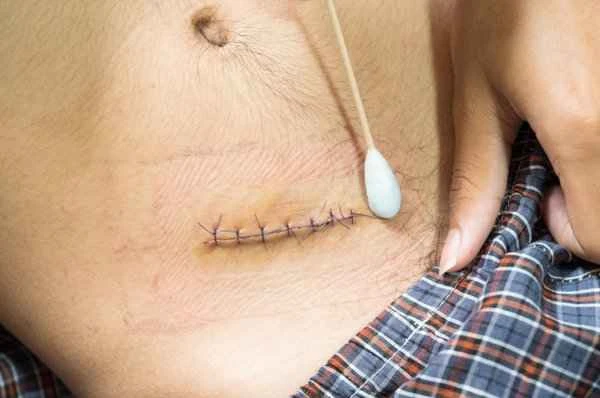
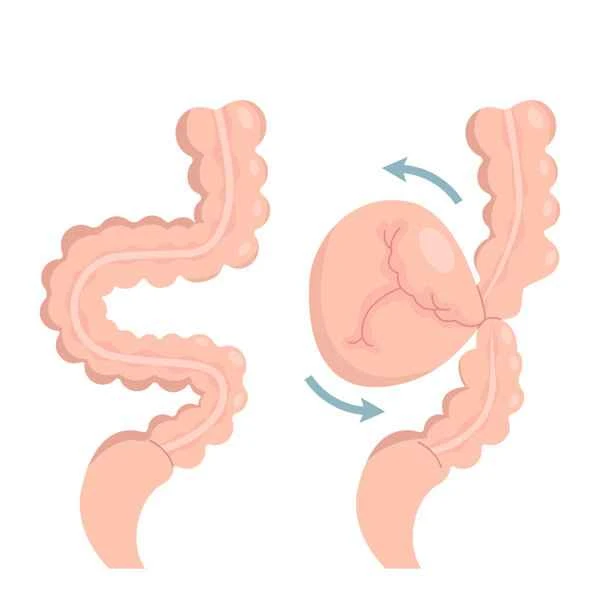
Advanced gastric cancer refers to gastric cancer that has progressed to the middle or late stage. At this time, the tumor may have penetrated the stomach wall and spread to surrounding tissues or distant organs.
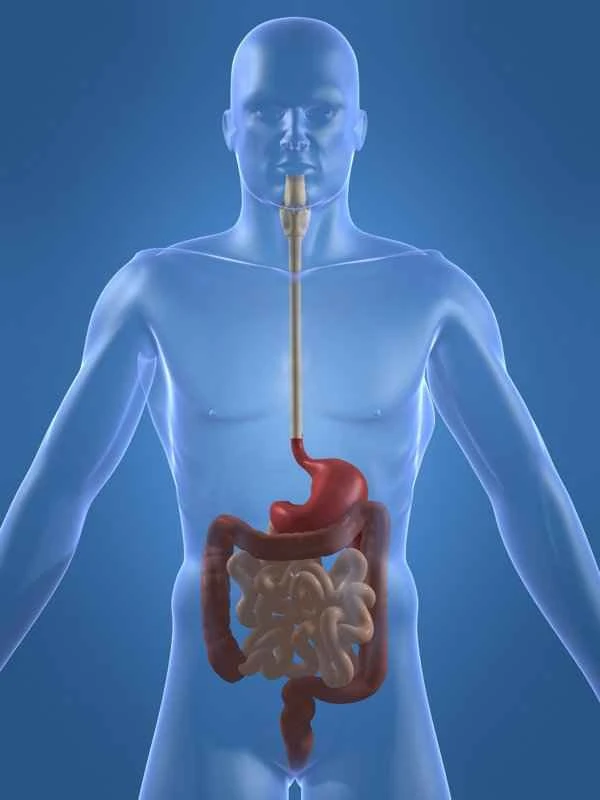
The importance of advanced gastric cancer lies in the fact that it marks a critical turning point in the disease. Without effective treatment, the condition may rapidly deteriorate, impacting the patient's survival rate and quality of life. Timely and accurate diagnosis of advanced gastric cancer is crucial for developing an effective treatment plan.
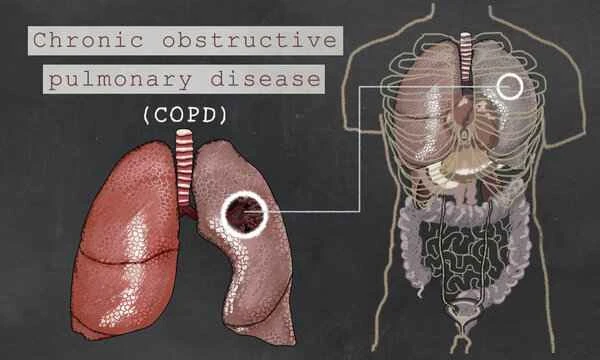
The diagnosis of advanced gastric cancer is typically based on the results of endoscopy, imaging studies, and pathological examination. Endoscopy allows for direct visualization of the morphology and location of tumors within the stomach, and also allows for biopsies to be taken for pathological analysis. Imaging studies such as CT and MRI help doctors understand the size and location of the tumor, as well as whether there are distant metastases. These examinations, taken together, provide doctors with comprehensive information about the patient's condition, enabling them to develop more precise treatment plans.
【Useful Tips】
1. Have regular gastroscopy examinations, especially for people with a family history of stomach cancer.
2. Pay attention to a healthy diet and avoid long-term consumption of high-salt and pickled foods.
3. If you experience symptoms such as stomach pain, loss of appetite, or weight loss, you should seek medical attention promptly.
4. Follow the doctor's instructions for standardized treatment, have regular check-ups, and closely monitor changes in your condition.