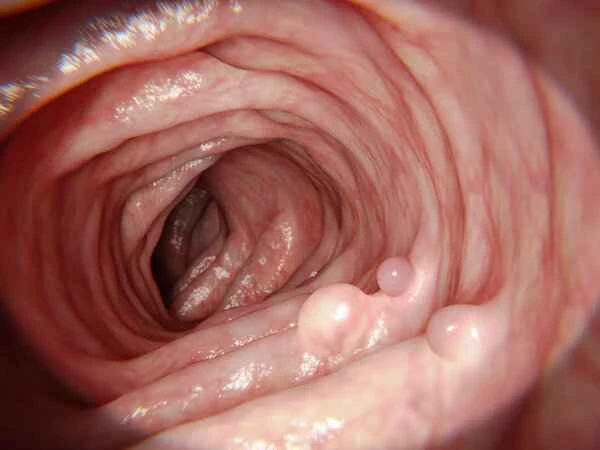
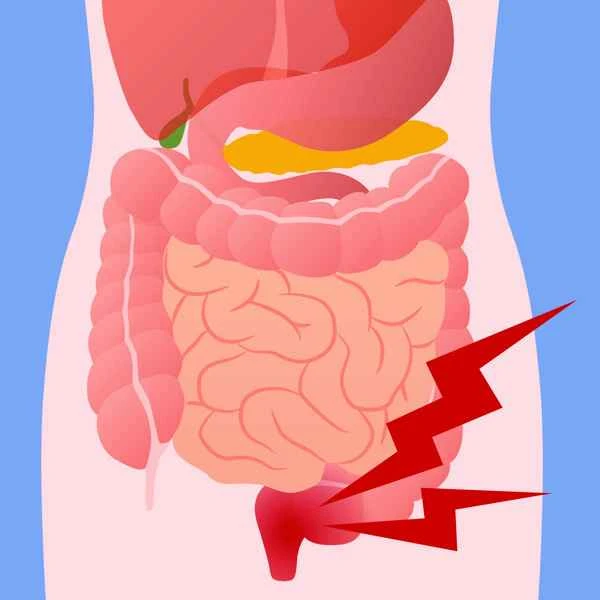
Intestinal polyps typically occur in the colon or rectum, while epigastric pain usually refers to pain in the area below the sternum. Intestinal polyps themselves do not usually cause epigastric pain directly, but in some cases, symptoms that may be caused by intestinal polyps can indirectly lead to epigastric pain. For example, intestinal polyps may cause symptoms such as indigestion and acid reflux, which can cause discomfort or pain behind the sternum.

If intestinal polyps cause inflammation or blockage, they can lead to abdominal discomfort or pain, which can sometimes radiate to the chest, creating a sensation similar to epigastric pain. This pain is usually unrelated to heart disease and is caused by digestive problems. Epigastric pain can also be a sign of heart problems, so if you experience unexplained epigastric pain, especially if it is accompanied by other symptoms of heart disease, you should seek medical attention for a professional diagnosis.

When discussing intestinal polyps and epigastric pain, it's important to recognize that while intestinal polyps themselves don't usually cause epigastric pain directly, digestive problems they trigger can lead to similar symptoms. Patients experiencing epigastric pain, especially those with digestive symptoms, should consider a comprehensive health check to determine the exact cause of their symptoms. Any symptoms that may be related to heart disease should not be ignored; timely medical attention is crucial.
[Prevention Tips:]
1. Maintain healthy eating habits and avoid high-fat and high-sugar foods.
2. Have regular physical examinations, especially if you have a family history of digestive system diseases.
3. Maintain moderate physical activity to promote the health of the digestive system.