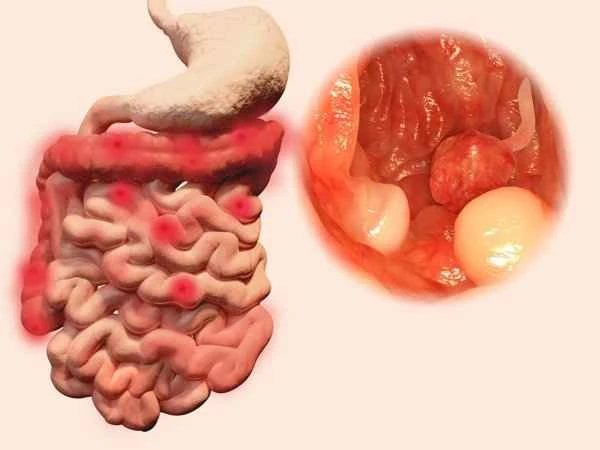
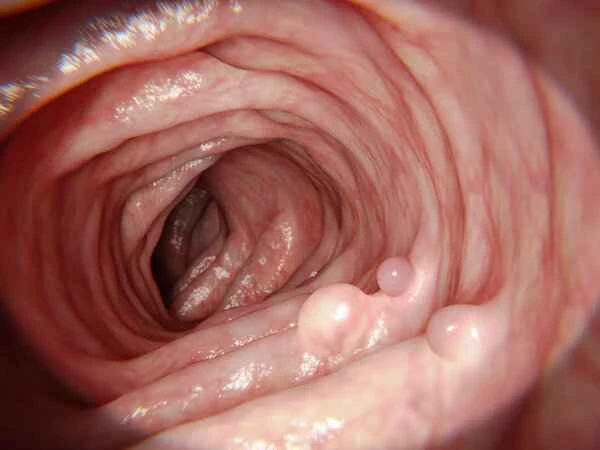
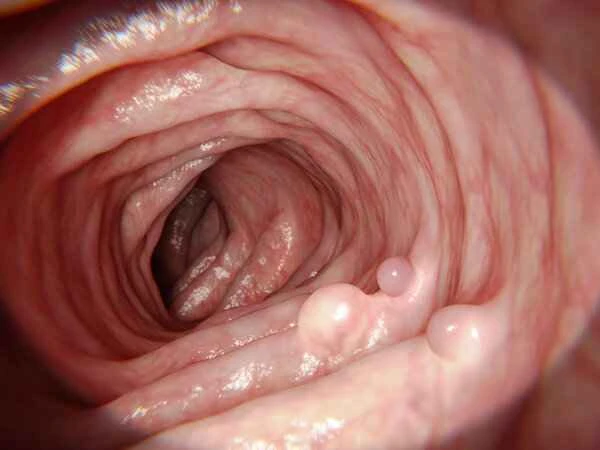
The discharge from the anus caused by intestinal polyps can be related to the size and location of the polyp, as well as whether it is accompanied by inflammation. When the polyp is large or located close to the anus, it may cause fluid from the intestines to flow directly into the anus, resulting in a feeling of discharge. If there is inflammation or infection on the surface of the polyp, it may secrete more fluid, further aggravating the symptoms of anal discharge.
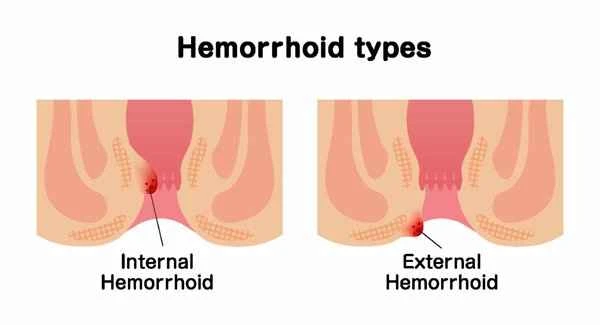
Another possibility is intestinal dysfunction caused by intestinal polyps. When polyps affect normal intestinal peristalsis, they may impair the flow of fluids within the intestines, leading to watery discharge from the anus. If symptoms include persistent bleeding, severe pain, or fever, the possibility of malignant transformation of the polyp or complications with other serious diseases should be considered, and further medical examination should be sought promptly.
Patients must know that the symptom of anal discharge can be caused by a variety of factors, including but not limited to intestinal polyps. If such symptoms occur, especially if they persist or are accompanied by other discomfort, you should seek medical attention as soon as possible for a thorough examination and diagnosis by a professional doctor. Avoid self-diagnosis, as this may delay proper treatment.
[Prevention Tips:]
1. Maintain good eating habits, eat more fiber-rich foods, and keep your bowels regular.
2. Have regular physical examinations, especially for people with a family history of intestinal diseases, who should have regular colonoscopies.
3. Pay attention to personal hygiene to avoid intestinal infections.
4. Maintain moderate exercise to improve physical fitness and promote gut health.