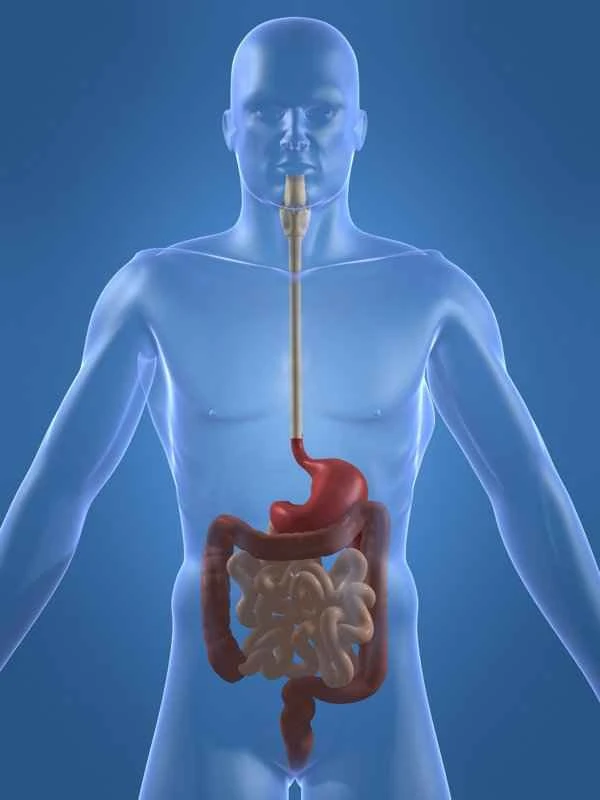
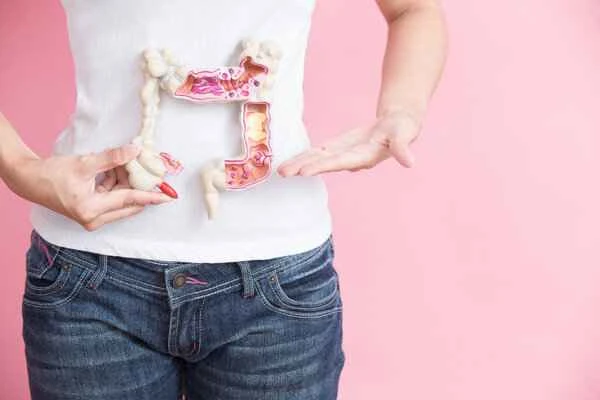
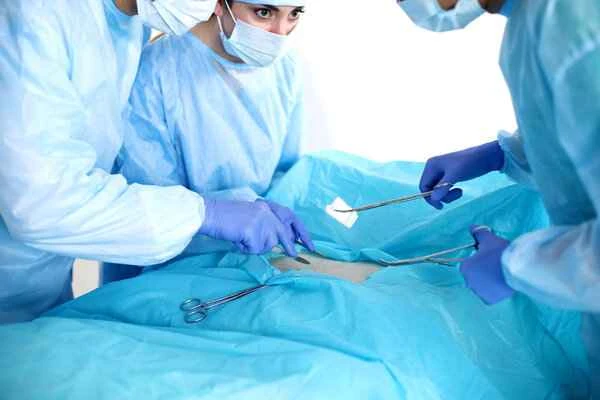
The key to preventing constipation after intestinal polyp surgery lies in promoting intestinal health and reducing the occurrence of constipation through reasonable dietary and lifestyle adjustments.
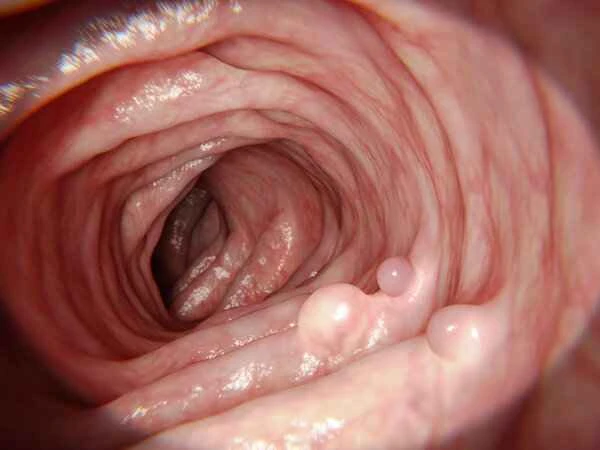
Following polyp surgery, patients need to follow a comprehensive health management strategy to prevent constipation. Adjusting their diet is crucial; they should increase their intake of dietary fiber, such as fresh fruits, vegetables, and whole grains. These foods increase stool volume and promote intestinal motility, thus reducing the risk of constipation. Maintaining adequate water intake is also very important, as water helps soften stool and reduce its time in the intestines, thereby lowering the likelihood of constipation. Moderate exercise promotes intestinal motility and helps prevent constipation. Finally, avoiding prolonged sitting, maintaining good bowel habits, and not suppressing the urge to defecate all contribute to postoperative recovery and reduce the occurrence of constipation.

During the recovery process after polyp removal surgery, it's important to note that while increasing dietary fiber and water intake is effective in preventing constipation, excessive intake of certain types of fiber (such as beans and nuts) may cause bloating, abdominal pain, and other discomfort, potentially harming gut health. When adjusting their diet, patients should gradually increase fiber intake based on their individual constitution and response, carefully observing their body's reaction. Adjustments should be made under the guidance of a doctor if necessary.

[Management Tip:]
1. Increase your intake of dietary fiber, such as fresh fruits, vegetables and whole grains.
2. Maintain adequate hydration; drink at least 8 glasses of water a day.
3. Moderate exercise promotes intestinal peristalsis.
4. Avoid prolonged sitting and maintain good bowel habits.