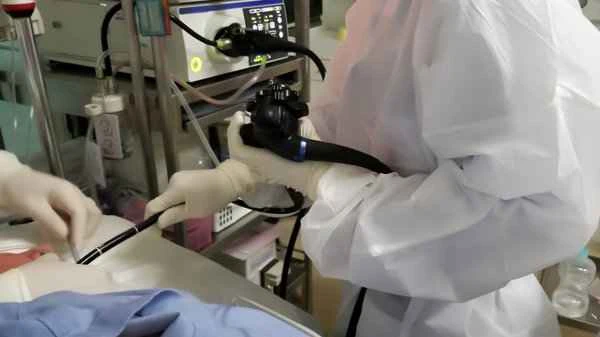
Several complications may arise after enterocutaneous fistula surgery, potentially impacting a patient's recovery and quality of life. These complications include, but are not limited to, abdominal infection, intestinal obstruction, fistula recurrence, and malabsorption. The occurrence of these complications is closely related to the precision of the surgical procedure, the patient's physical condition, and postoperative care. Excessive damage to the intestines during surgery or inadequate postoperative infection control can lead to abdominal infection. Incomplete recovery of intestinal function or impaired intestinal motility after surgery can cause intestinal obstruction. Inadequate postoperative care can also lead to fistula recurrence or malabsorption due to impaired intestinal function.
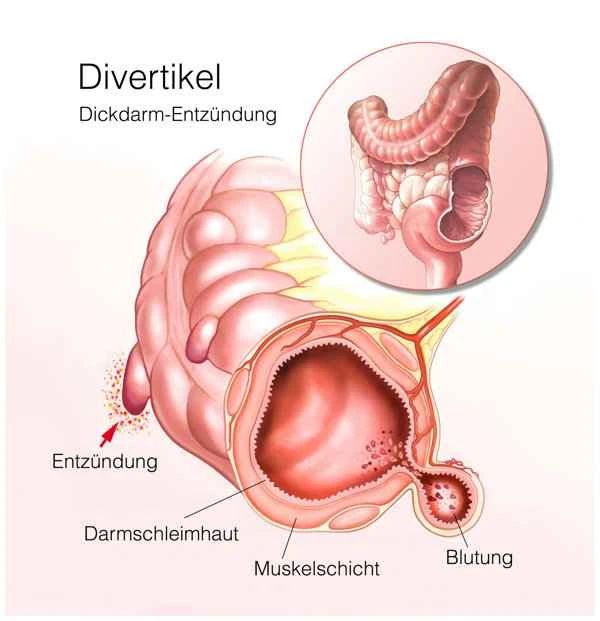
Besides the direct sequelae mentioned above, enterocutaneous fistula surgery may also have some indirect effects. For example, patients may experience psychological stress and anxiety, which could further affect their recovery process. During treatment, in addition to focusing on physical recovery, it is also necessary to pay attention to the patient's mental health, providing timely psychological counseling and support.
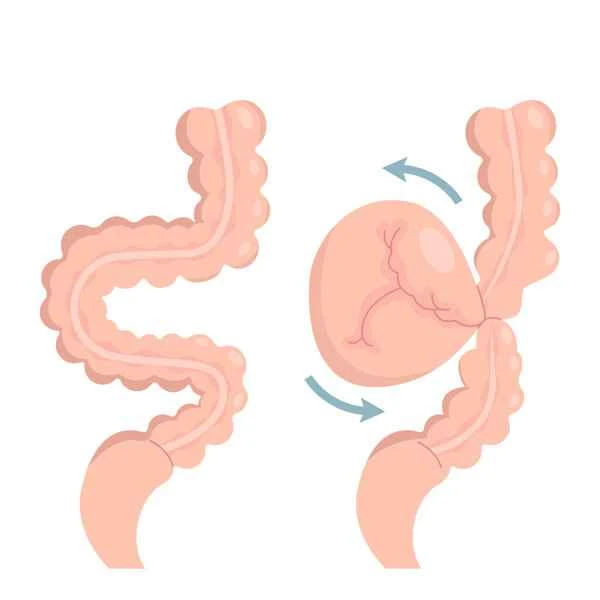
[Management Tips]
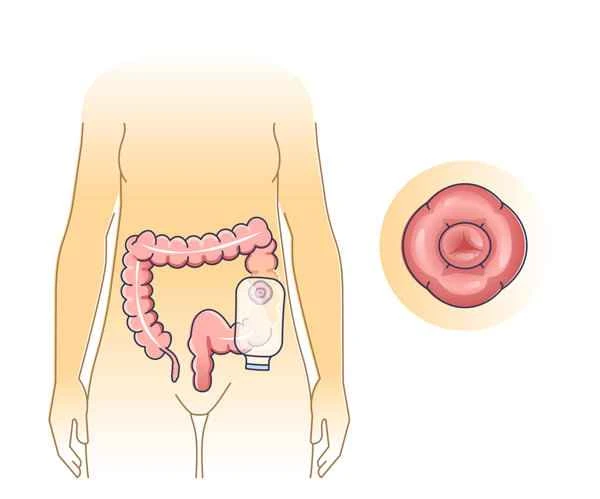
1. Have regular abdominal examinations to detect and treat any possible infections or complications promptly.
2. Maintain good eating habits and avoid eating foods that are too hard, too hot, or too spicy to reduce irritation to the intestines.
3. If symptoms such as abdominal pain, fever, or vomiting occur, seek medical attention promptly to prevent the condition from worsening.
4. Maintain a positive and optimistic attitude, and seek psychological counseling help when necessary.