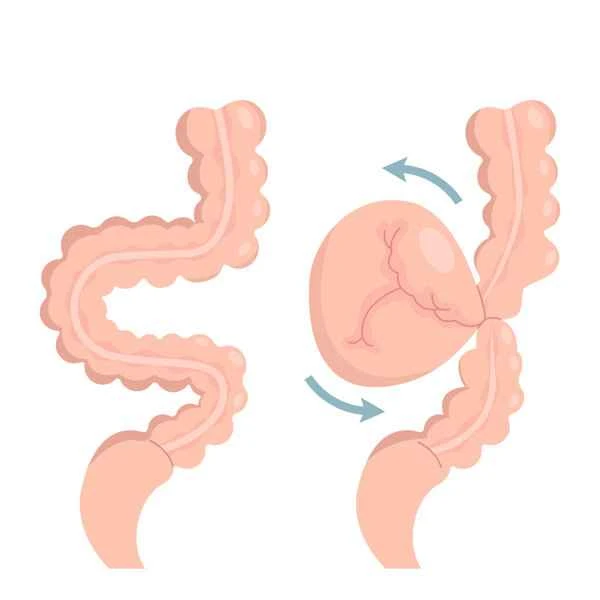
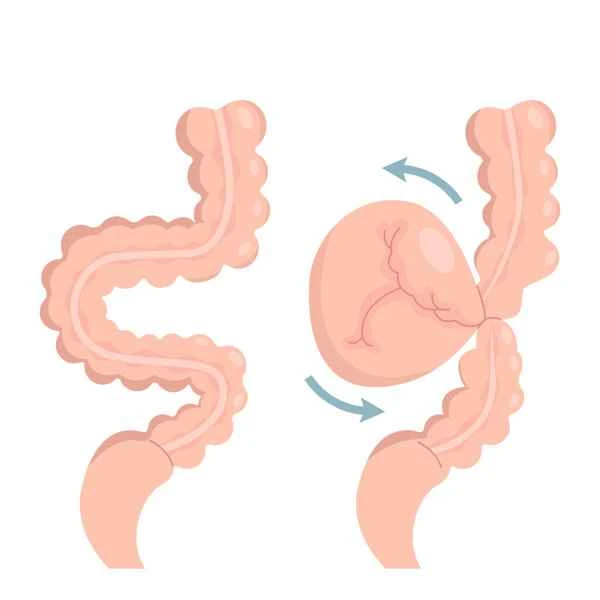
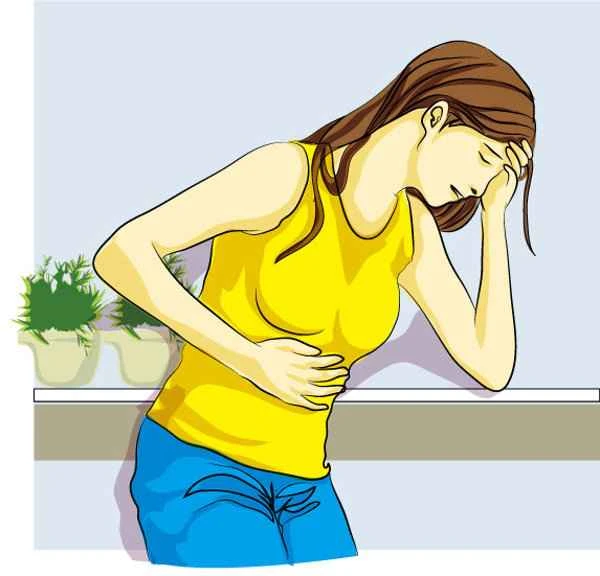
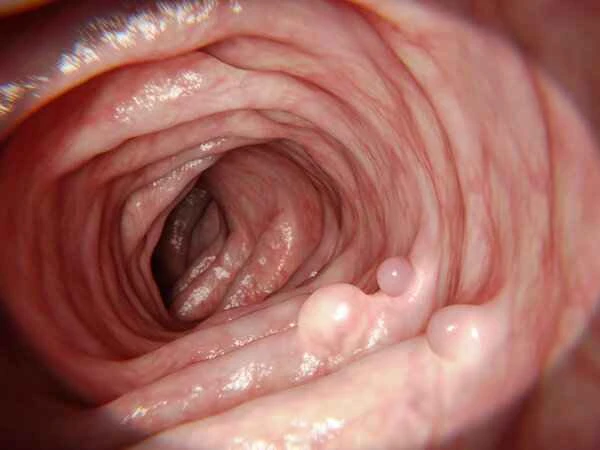
Intestinal polyps can cause abdominal pain and bloating because as they move or grow within the intestines, they can irritate or obstruct the intestinal wall, leading to discomfort. Abdominal pain caused by intestinal polyps usually occurs after meals because food rubs against the polyps as it passes through the intestines, causing pain or discomfort. Bloating may result from the polyps hindering normal intestinal peristalsis, causing gas to accumulate and be unable to be expelled smoothly.

Abdominal pain and bloating caused by intestinal polyps may be accompanied by other symptoms such as changes in bowel habits, constipation or diarrhea, and rectal bleeding. The occurrence of these symptoms is often related to the location, size, and number of polyps. While these symptoms may indicate the presence of intestinal polyps, they may also be associated with other intestinal diseases. If these symptoms occur, it is important to seek medical attention promptly for professional examination and diagnosis.
[Management Tip:]
1. Maintain regular eating habits and avoid excessive intake of greasy and spicy foods.
2. Have regular physical examinations, especially for people with a family history of intestinal diseases.
3. Maintain adequate physical activity to promote gut health.
4. Pay attention to bowel movements; if any abnormalities are found, seek medical attention promptly.