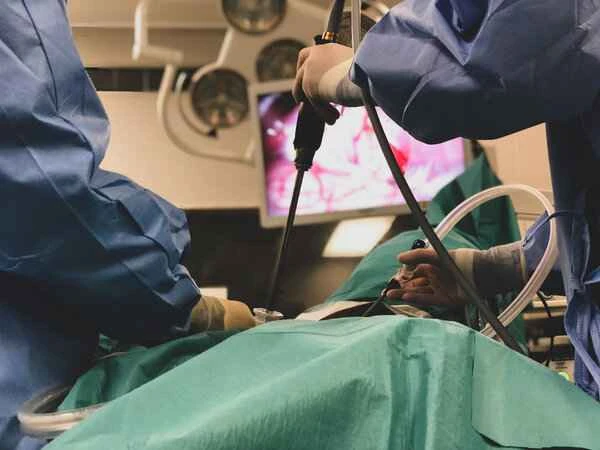
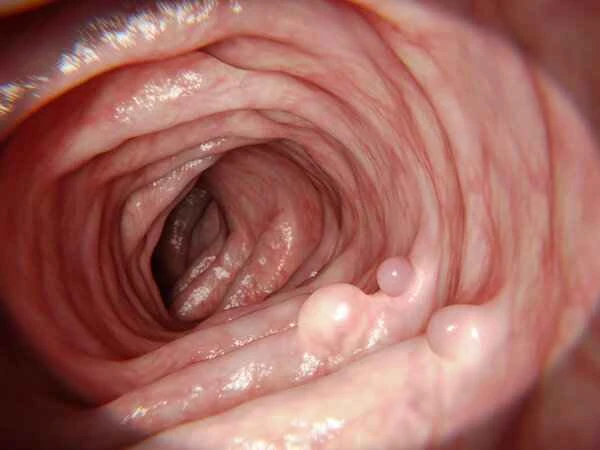
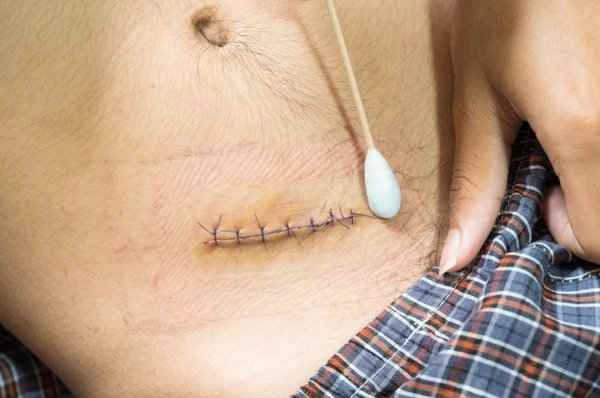
Small bowel obstruction can lead to intestinal decompression. When the small intestine is obstructed, gas and fluid cannot pass through normally, causing them to accumulate. This accumulation increases intestinal pressure. To relieve this pressure, an intestinal decompression tube is sometimes used to drain the accumulated gas and fluid, thereby reducing intestinal pressure, improving blood circulation, and preventing intestinal necrosis.
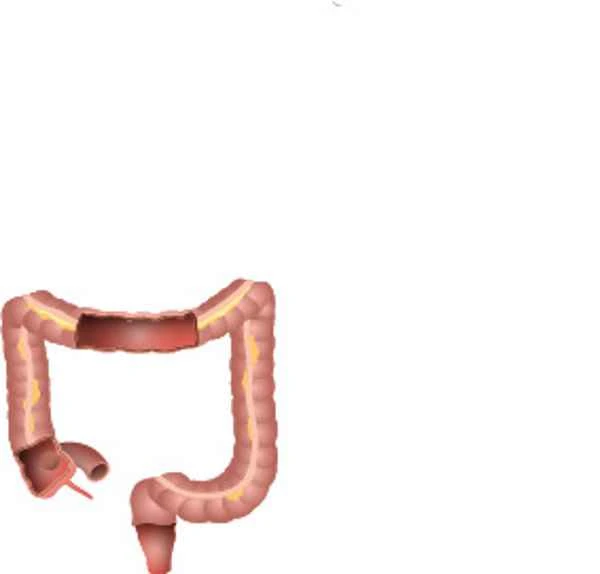
Intestinal decompression is a common treatment used to relieve pressure caused by intestinal obstruction. Its mechanism of action involves inserting a thin catheter into the intestine to drain accumulated gas and fluid, thereby reducing pressure within the intestine. This process not only helps relieve the patient's symptoms but also prepares the ground for subsequent treatment, such as determining whether surgical intervention is necessary. Intestinal decompression is typically performed in conjunction with imaging studies and other clinical evaluations to determine the optimal treatment plan.
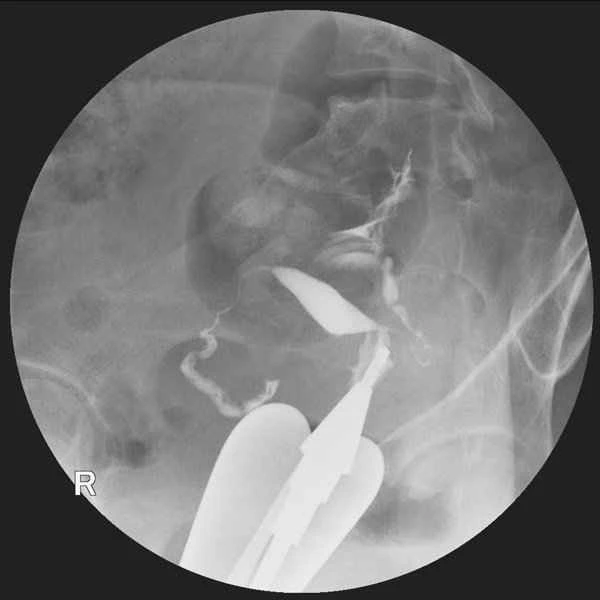
While intestinal decompression is an effective treatment for small bowel obstruction, it also carries certain risks. For example, improper operation may lead to complications such as infection or perforation. Intestinal decompression does not resolve the underlying obstruction; it only provides temporary symptom relief. Simultaneously with intestinal decompression, doctors need to identify the cause of the obstruction and develop an appropriate treatment plan. This requires a comprehensive consideration of the patient's specific circumstances, including the type, location, and severity of the obstruction, as well as the patient's overall health.
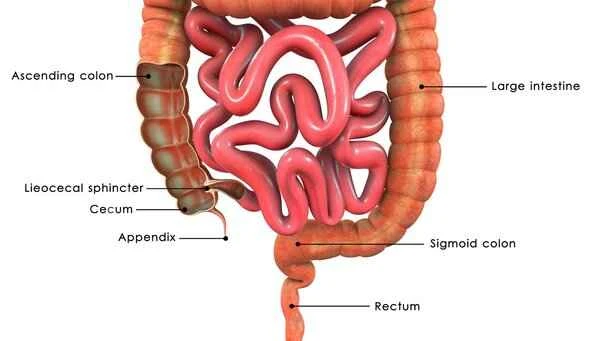
[Management Tip:]
1. Regularly monitor bowel function and obstruction.
2. Adjust your eating habits and avoid eating foods that are difficult to digest.
3. If symptoms such as abdominal pain or vomiting occur, seek medical attention promptly.