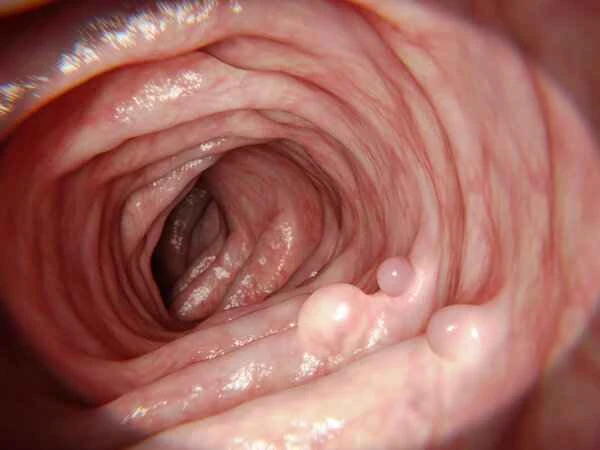
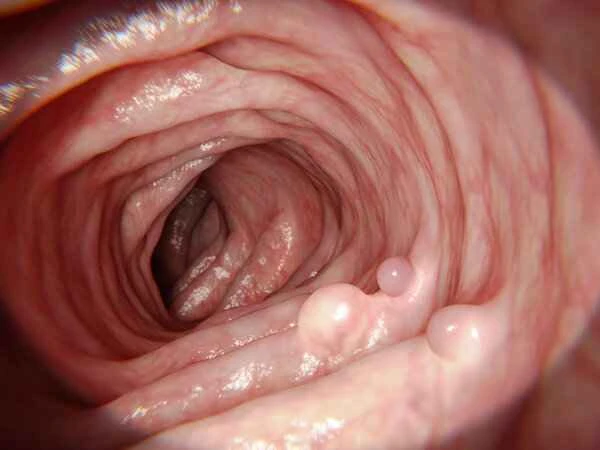
When polyps appear in the intestines, patients may experience a range of different symptoms. These symptoms may include abdominal discomfort, abdominal pain, and changes in bowel habits. The presence of polyps can impair intestinal function, leading to a series of related symptoms.

Symptoms caused by polyps can vary depending on the size, location, and whether the polyp causes an obstruction. Some patients may experience abdominal bloating or pain after meals, possibly because the polyp is obstructing the normal passage of food. Some people may experience abdominal discomfort or mild pain upon waking, possibly due to the polyp affecting bowel movements overnight. Changes in bowel habits, such as constipation or diarrhea, are also possible symptoms of polyps. The presence of these symptoms does not necessarily mean the polyp is malignant, but they suggest the need for further examination.

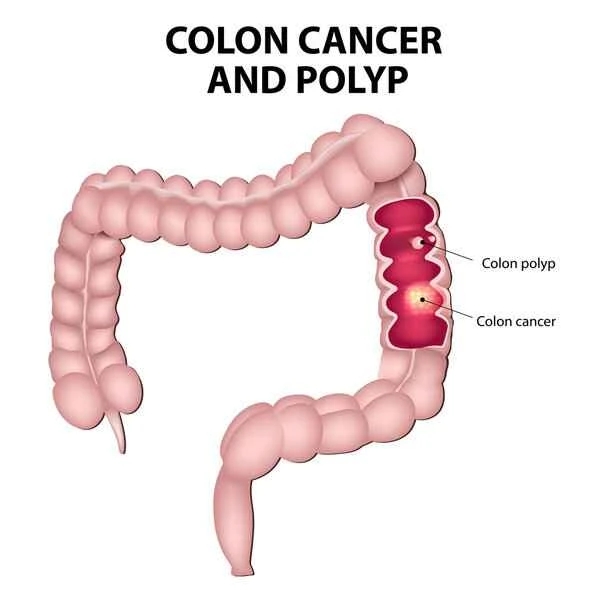
It's important to note that while the symptoms described above may be related to intestinal polyps, they can also be associated with various other intestinal diseases. If you experience these symptoms, especially if they persist or gradually worsen, you should seek medical attention promptly for a professional examination. Avoid self-diagnosis, as this can lead to misdiagnosis or delayed treatment. A professional medical diagnosis typically includes endoscopy and imaging studies to determine the nature and location of the polyp.
[Prevention Tips:]
1. Maintain a healthy lifestyle, including a balanced diet and moderate exercise.
2. Have regular physical examinations, especially for people with a family history of intestinal diseases.
3. Pay attention to personal hygiene and avoid consuming foods that may cause intestinal discomfort.