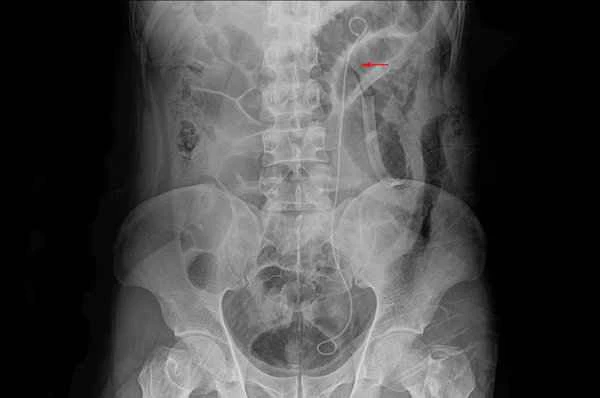
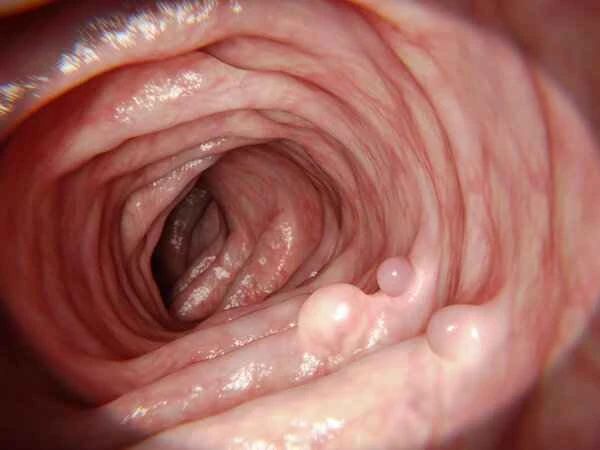
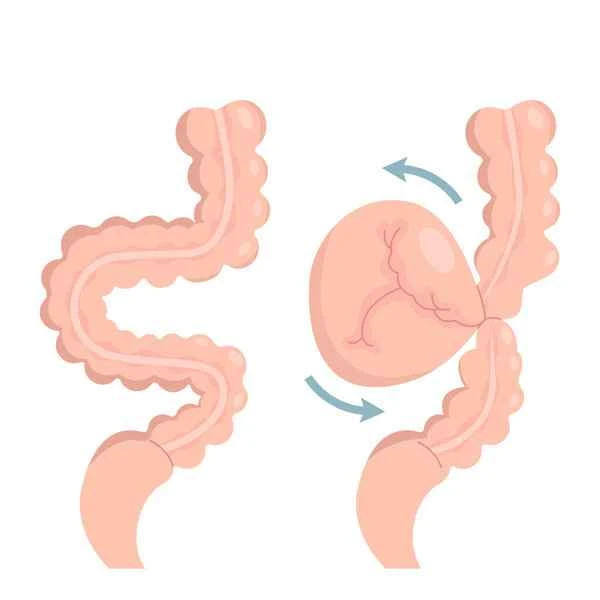
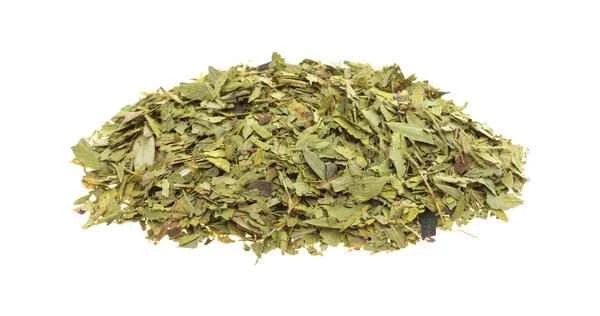
Drinking senna leaves is ineffective for intestinal obstruction and may even worsen the condition. Intestinal obstruction refers to the inability of intestinal contents to pass normally, and common causes include intestinal tumors, adhesions, and hernias. Although senna leaves can promote intestinal peristalsis, in cases of intestinal obstruction, they not only fail to help clear the intestines but may also increase intestinal pressure, leading to further narrowing of the obstruction and even serious complications such as intestinal perforation. Using senna leaves in cases of intestinal obstruction not only fails to solve the problem but may also pose greater risks.
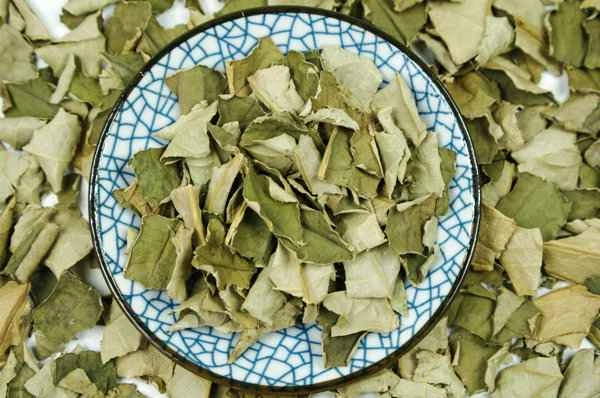
Treatment for intestinal obstruction requires tailored approaches based on the specific cause. If the obstruction is caused by an intestinal tumor, surgical removal of the tumor may be necessary; if it's due to adhesions or a hernia, surgical removal of the adhesions or repair of the hernia may be required. During treatment, doctors will develop a personalized treatment plan based on the patient's specific condition, considering factors such as the severity of the condition, the location and extent of the obstruction, and the patient's general health. Close monitoring of the patient's vital signs and changes in their condition is also crucial during treatment, with timely adjustments to the treatment strategy to ensure optimal results.
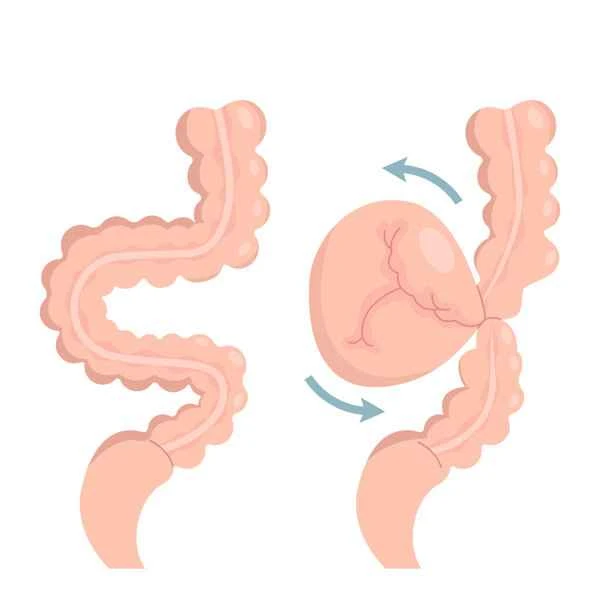
During the treatment of intestinal obstruction, patients and their families may encounter some misconceptions, such as believing that senna leaves can relieve symptoms, or mistakenly believing that mild abdominal pain is intestinal obstruction. These misconceptions may lead to delayed treatment or even the adoption of incorrect treatment methods, thereby worsening the condition. When faced with intestinal obstruction, it is important to seek medical attention promptly, follow the doctor's instructions, and avoid self-medication, especially with laxatives like senna leaves, to prevent unnecessary risks.
[Management Tip:]
1. Seek medical attention promptly and avoid self-medicating with laxatives.
2. Follow your doctor's instructions and undergo necessary examinations and treatments.
3. Pay attention to your diet and avoid eating foods that are difficult to digest.
4. If severe abdominal pain, vomiting, or other symptoms occur, seek medical attention immediately.