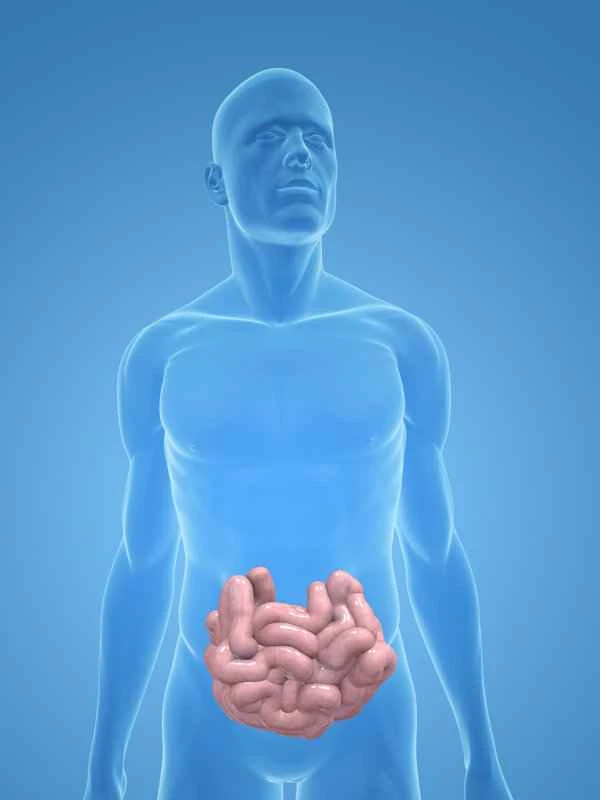
Intestinal polyps can be controlled with medication, but the choice and use of medication should be determined based on the nature of the polyps and the patient's specific condition.
Drug control of intestinal polyps primarily relies on nonsteroidal anti-inflammatory drugs (NSAIDs) and certain specific medications, such as 5-aminosalicylic acid (5-ASA). These drugs work mainly by reducing intestinal inflammation to control polyp growth. NSAIDs inhibit cyclooxygenase, reducing the production of inflammatory mediators, thereby reducing polyp formation and growth. 5-Aminosalicylic acid inhibits polyp growth by reducing intestinal inflammation. Other medications, such as antibiotics and immunomodulators, indirectly control polyp development by regulating the gut microbiota and immune system. The selection and use of these medications depend on the nature, size, and number of polyps, as well as the patient's overall health condition; therefore, the use of medication to control polyps should be guided by a professional physician.
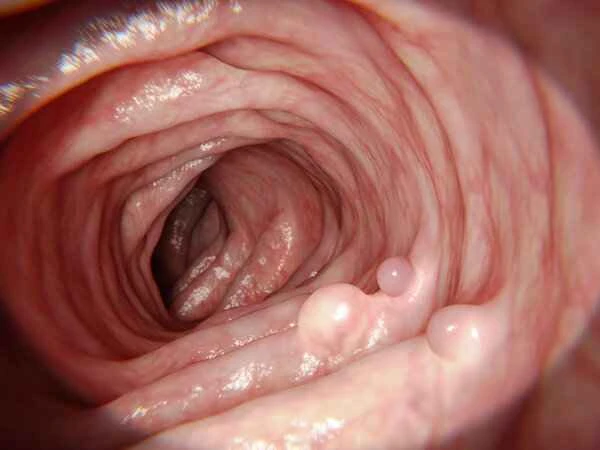
There are some potential risks and misconceptions associated with using medication to control intestinal polyps. Medication cannot completely replace endoscopic polypectomy, and its effectiveness may be limited for larger polyps or those with a risk of malignancy. Long-term use of certain medications may cause side effects such as gastrointestinal discomfort and abnormal liver function. Regular follow-up examinations are necessary when using medication to control polyps to monitor the medication's effectiveness and potential side effects. Furthermore, patients should avoid self-medicating and should only undergo treatment under the guidance of a doctor.

[Management Tip:]
1. Have regular colonoscopies to monitor changes in polyps.
2. Use medication as prescribed by your doctor; avoid purchasing and using it on your own.
3. Pay attention to diet and lifestyle habits to reduce intestinal inflammation.
4. Seek medical attention promptly if any unusual symptoms occur.