When an elderly person has intestinal obstruction, an unpleasant odor may appear in the home. This is because the obstruction prevents the normal passage of intestinal contents, leading to the accumulation of gas and feces, which in turn emits a foul smell. This odor mainly comes from the gas produced when intestinal bacteria decompose food residue. When the intestines are blocked, this gas cannot be expelled and accumulates in the body, emitting an unpleasant smell.
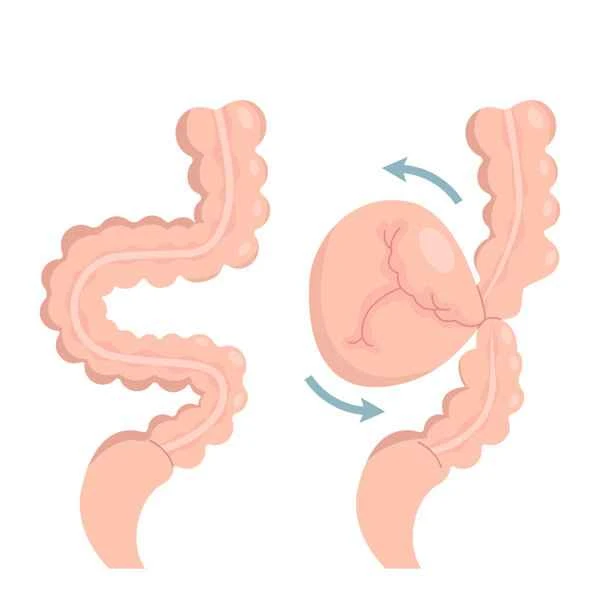
Intestinal obstruction is a serious digestive system disorder that prevents intestinal contents from passing through normally. When the intestines are partially or completely blocked, food residue and gas cannot be expelled properly, causing them to accumulate. Intestinal bacteria continue to break down these accumulations, producing large amounts of gas and foul-smelling substances. These gases and substances cannot be expelled through normal excretion channels and are instead expelled through the anus, resulting in an unpleasant odor in the home. Intestinal obstruction not only causes symptoms such as abdominal pain, bloating, nausea, and vomiting, but can also lead to complications such as dehydration, electrolyte imbalance, and infection, and in severe cases, can even be life-threatening.

The treatment and management of intestinal obstruction requires comprehensive consideration of multiple factors, including the cause, location, and severity of the obstruction, as well as the patient's overall health. Treatment methods for intestinal obstruction include conservative and surgical approaches. Conservative treatment typically includes fasting, gastrointestinal decompression, fluid replacement, correction of electrolyte imbalances, and medication to relieve symptoms. Surgical treatment is performed when conservative treatment is ineffective or the condition is severe, aiming to relieve the obstruction and restore bowel patency. Several risks may arise during treatment, such as surgical complications, infection, and bleeding. Patients and their families may misunderstand the severity of the condition, perceiving intestinal obstruction as a minor digestive issue and ignoring its potentially serious consequences. Therefore, the treatment and management of intestinal obstruction requires a holistic approach, developing an individualized treatment plan, and closely monitoring changes in the patient's condition.
[Management Tip:]
1. Regularly monitor the patient's vital signs and abdominal symptoms, such as abdominal pain, bloating, and vomiting.
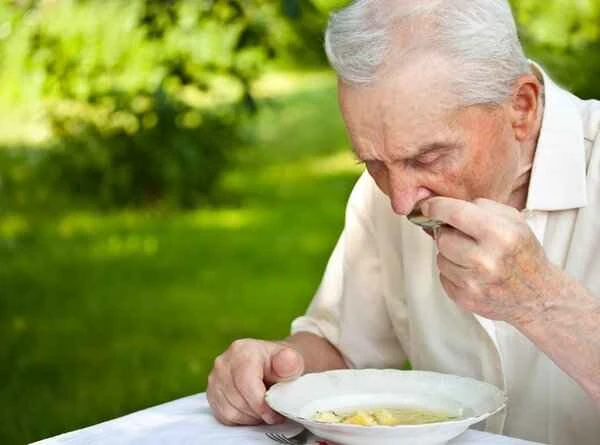
2. Adjust the patient's diet and avoid foods that easily produce gas, such as beans and carbonated drinks.
3. If you experience severe abdominal pain, persistent vomiting, or worsening abdominal distension, you should seek medical attention immediately.