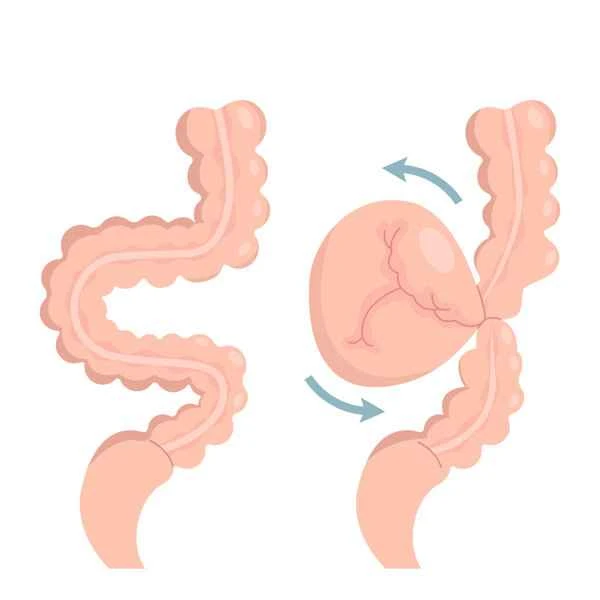
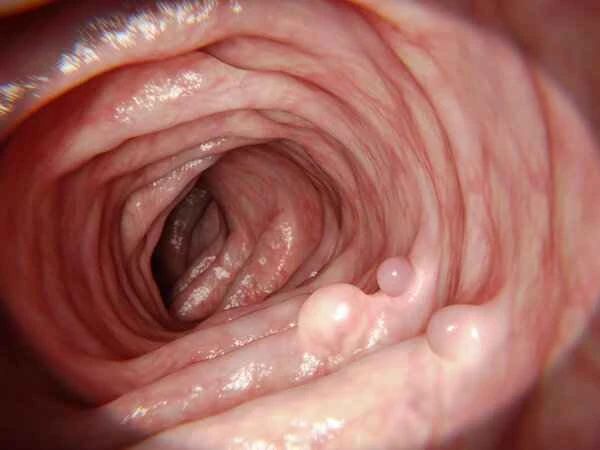
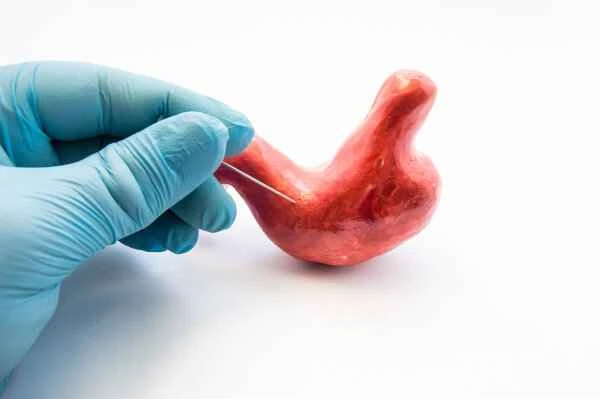
Non-surgical treatment for intestinal obstruction primarily involves relieving symptoms and restoring bowel function through non-surgical methods. Intestinal obstruction is a condition where intestinal contents cannot pass normally, and it can be caused by various factors, including intestinal inflammation, tumors, and adhesions. For some patients, especially those whose physical condition is not suitable for surgery or whose obstruction is mild, non-surgical treatment can improve symptoms and promote recovery.
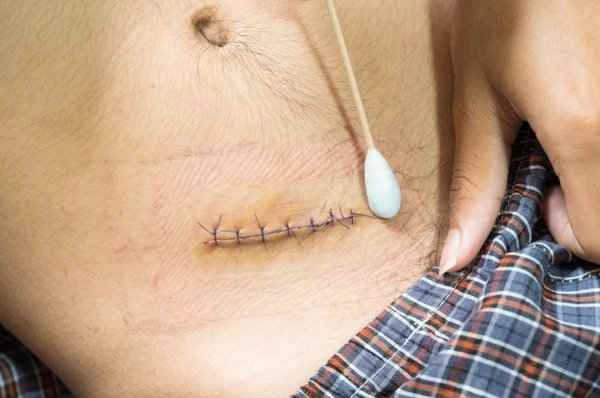
The core of non-surgical treatment for intestinal obstruction lies in relieving symptoms, improving bowel function, and preventing complications. Patients need to fast and receive intravenous fluid replacement to maintain electrolyte balance. This reduces the burden on the intestines, allowing them to rest and helping to relieve the obstruction. Drug therapy is used, such as antispasmodics to relieve intestinal spasms and antibiotics to prevent or treat infections. Gastrointestinal decompression and enemas can also be used to promote bowel movements and relieve obstruction. These methods work together to alleviate symptoms and promote recovery.
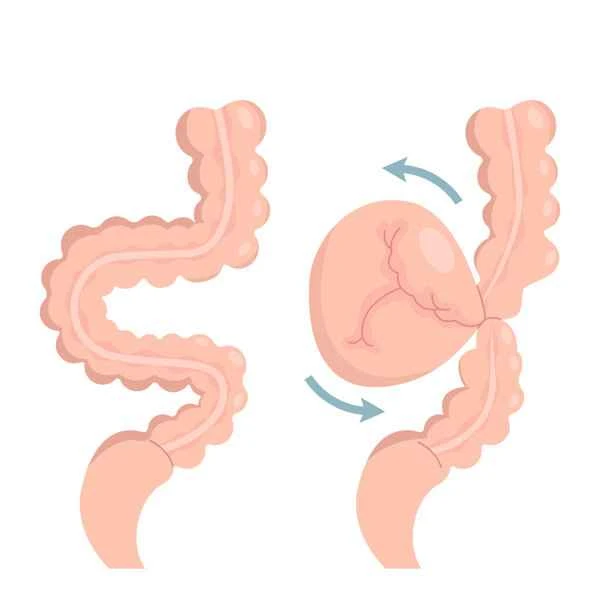
During non-surgical treatment of intestinal obstruction, close monitoring of the patient's condition is crucial, and treatment plans should be adjusted promptly. While non-surgical treatment avoids the risks of surgery, it also has limitations. It may not address the underlying cause, such as tumors or severe adhesions, potentially leading to poor treatment outcomes or recurrence. Non-surgical treatment may also require a longer treatment period, during which the patient may experience prolonged discomfort. The decision to pursue non-surgical treatment must be based on a comprehensive consideration of the patient's specific circumstances and the physician's professional judgment.

[Management Tip:]
1. Maintain a fasting state and replenish fluids and electrolytes through intravenous fluid replacement.
2. Monitor vital signs and abdominal signs regularly and adjust the treatment plan in a timely manner.
3. Use antispasmodics, antibiotics, and other medications as prescribed by your doctor to relieve symptoms and prevent infection.
4. Maintain a positive attitude and actively cooperate with the treatment during the process.