The examination of intestinal polyps is mainly carried out through colonoscopy.
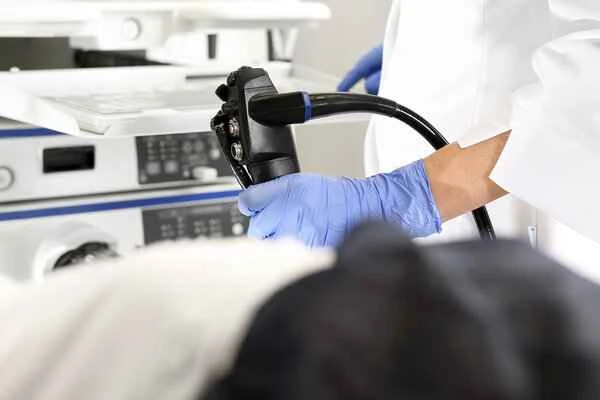
The importance of polyp screening lies in its ability to help detect and diagnose polyps in the intestines at an early stage, which is crucial for preventing serious diseases such as colorectal cancer. Regular screenings allow for timely detection and treatment of polyps, thereby reducing the risk of cancer.
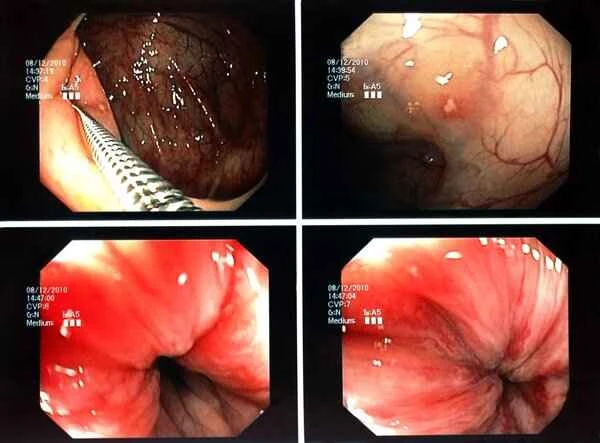
A colonoscopy is a procedure that uses a flexible fiber optic endoscope to examine the inside of the large intestine. During the examination, the doctor can directly observe the intestinal wall through the endoscope and may also perform a biopsy to determine the nature of polyps. While the entire process may be somewhat uncomfortable, it is usually performed with the aid of anesthesia or sedation to ensure patient comfort.
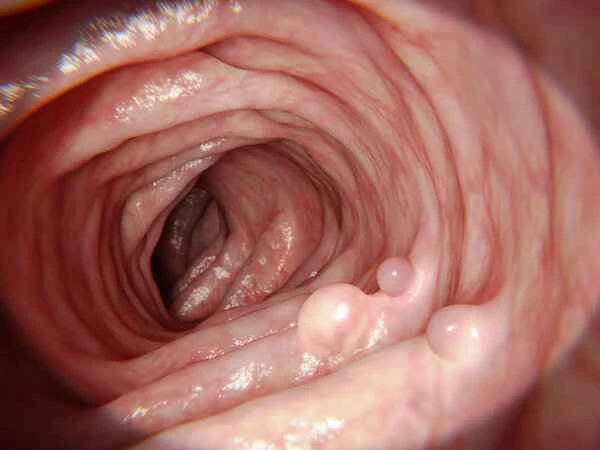
Examination results typically present information such as the size, number, and shape of the polyps. Doctors use this information to determine the nature of the polyps, such as whether they are benign or malignant, and whether further treatment is needed. Understanding the significance of these results is crucial for subsequent treatment decisions. At the same time, we should recognize that all medical examinations have limitations; therefore, maintaining objectivity and rationality when interpreting examination results is very important.
【Useful Tips:】
1. Have regular colonoscopies, especially for people with a family history of colonoscopies or other risk factors.
2. Before the examination, follow the doctor's instructions to prepare your bowels to ensure the accuracy of the examination.
3. After the examination, discuss the results with the doctor in detail and follow up with the doctor's advice for appropriate treatment or follow-up.
4. Maintain a healthy lifestyle, including a balanced diet and moderate exercise, to reduce the risk of developing intestinal polyps.