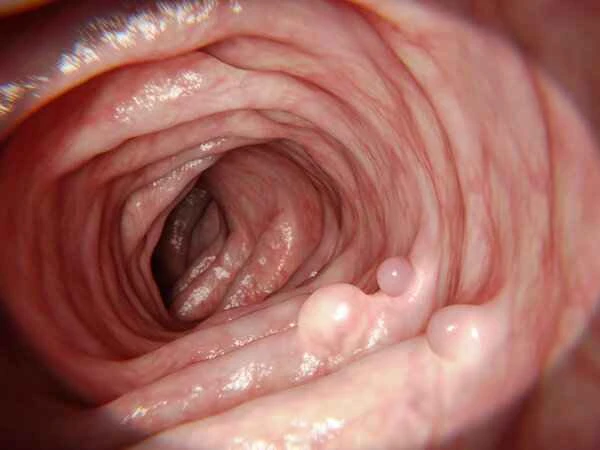
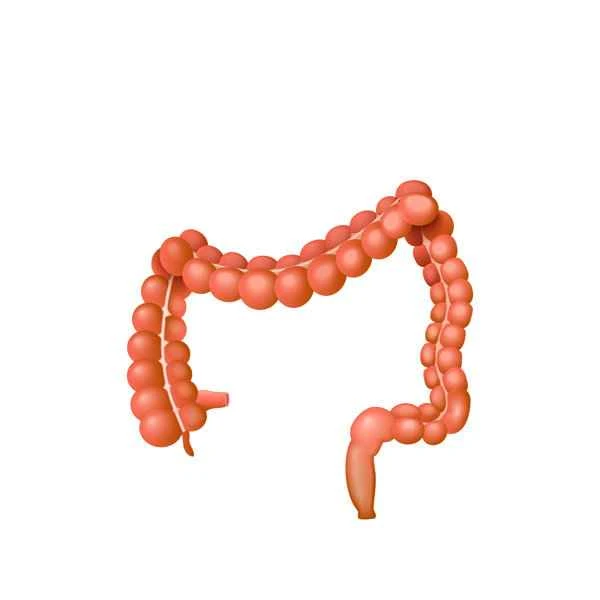
Treatment options for stomach cancer vary widely, depending primarily on the tumor's stage, location, and the patient's overall health. Doctors typically employ surgical resection, chemotherapy, radiation therapy, or a combination of these methods to combat the disease. Surgical resection is the preferred treatment for early-stage stomach cancer, aiming to completely remove the cancerous portion by excising the tumor and surrounding tissue, thus achieving a cure. For advanced-stage stomach cancer, where cancer cells may have spread to other parts of the body, surgery alone is often insufficient for complete eradication. In such cases, doctors may choose chemotherapy and/or radiation therapy to control the disease, alleviate symptoms, and prolong survival.
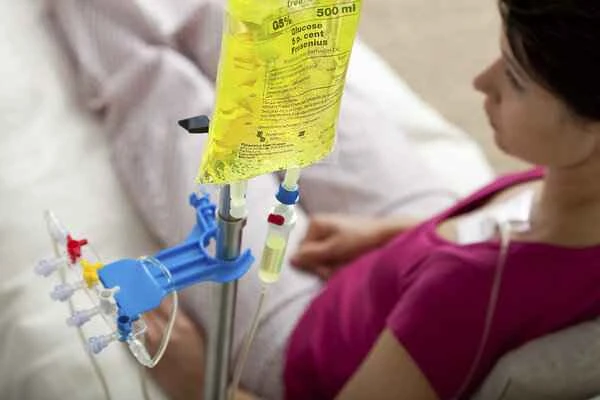
When developing a treatment plan, doctors consider a variety of factors, including the size and location of the tumor, whether it has metastasized, and the patient's overall health. Treating stomach cancer is complex and challenging, and patients may experience various side effects such as nausea, vomiting, hair loss, and weakened immunity. Patients and their families may have misconceptions about treatment, such as believing that all stomach cancers can be cured by surgery or that chemotherapy and radiation therapy will immediately cause serious physical damage. These misconceptions can lead to anxiety and fear during treatment, affecting its effectiveness. Maintaining good communication with doctors and understanding the potential risks and expected outcomes of treatment is crucial for patients.

[Management Tips]

1. Have regular gastroscopy examinations to detect lesions early.
2. Adjust your eating habits, avoid high-salt and pickled foods, and eat more fresh vegetables and fruits.
3. If you experience symptoms such as stomach pain or indigestion, you should seek medical attention promptly for further examination.