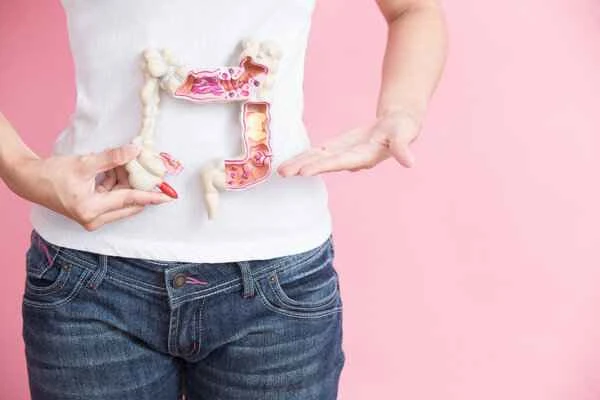
Intestinal obstruction does not usually directly cause urinary retention, but there may be an indirect link between the two.

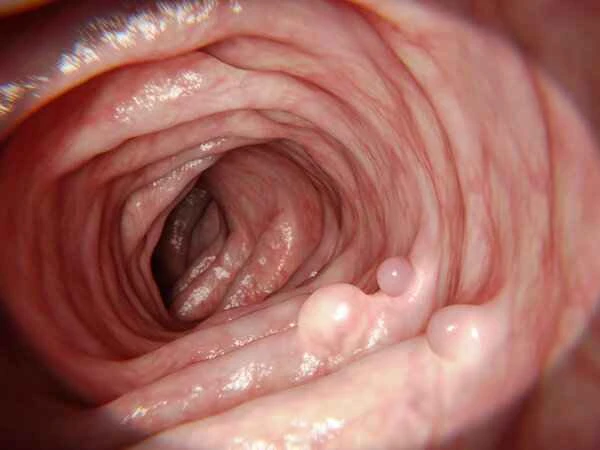
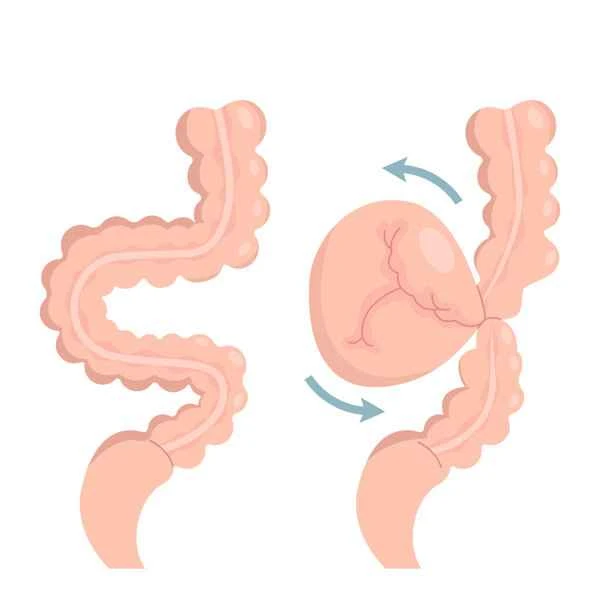
Intestinal obstruction is a pathological condition in which intestinal contents cannot pass normally through the intestines. It is usually caused by mechanical obstruction of the intestines, intestinal motility disorders, or abnormal intestinal secretions. Urinary retention, also known as difficulty urinating, refers to the inability to expel urine smoothly. Common causes include urethral obstruction and bladder outlet obstruction. Although intestinal obstruction and urinary retention are two different physiological processes, there may be some indirect connections between them. For example, intestinal obstruction may cause symptoms such as abdominal distension and abdominal pain, which in turn affects the patient's normal urination function. In severe cases, patients with intestinal obstruction may experience electrolyte imbalances, which can also affect neuromuscular function, thereby indirectly affecting bladder function.
In treating intestinal obstruction, doctors typically employ appropriate treatment measures based on the patient's specific condition, including fasting, gastrointestinal decompression, fluid replacement, and correction of electrolyte imbalances. These measures not only help alleviate the symptoms of intestinal obstruction but also improve the patient's overall condition, thereby indirectly contributing to improved urinary function. If the patient experiences urinary retention, the doctor will further assess for other underlying causes, such as benign prostatic hyperplasia or urethral stricture, and implement corresponding treatment measures.
[Management Tip:]
1. Regularly monitor bowel function and urination.
2. Adjust your eating habits to avoid constipation.
3. Seek medical attention promptly if you experience symptoms such as abdominal pain, bloating, or difficulty urinating.