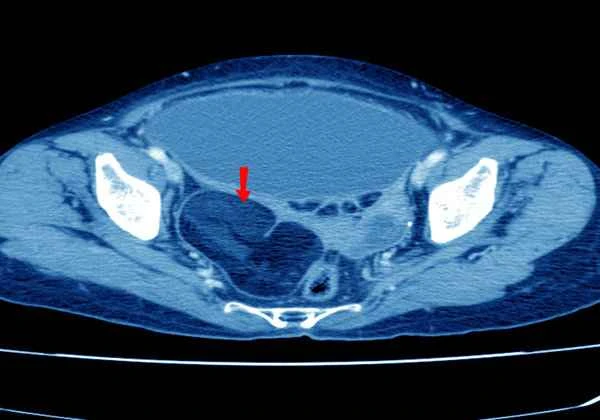
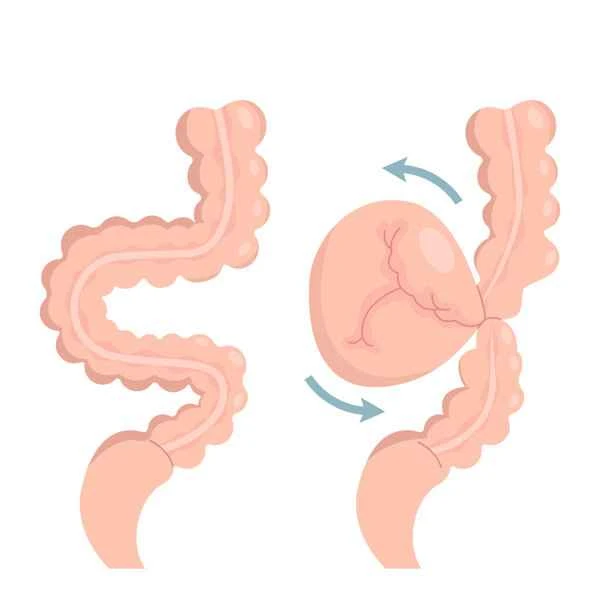
After minimally invasive surgery for intestinal polyps, a sample needs to be taken for pathological examination to determine the nature of the polyp. Pathological examination helps doctors determine whether the polyp is benign or malignant, and whether it carries a potential risk of becoming cancerous, which is crucial for developing a subsequent treatment plan.
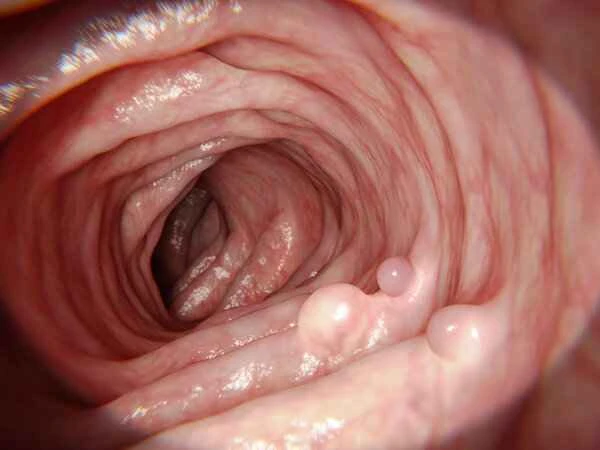
During minimally invasive surgery for intestinal polyps, taking samples for pathological examination is crucial to ensure an accurate understanding of the polyp's nature. This step not only helps in the timely detection of potential malignant lesions but also prevents overtreatment or undertreatment. Pathological examination allows doctors to better develop personalized treatment plans for patients, thereby improving treatment outcomes and the patient's quality of life.
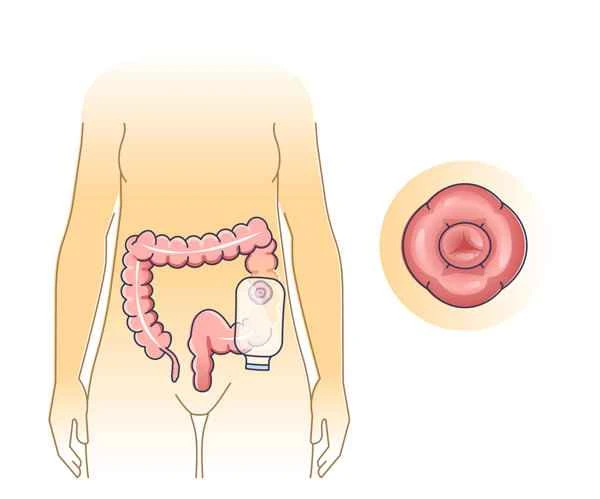
The pathological examination process typically involves obtaining tissue samples from the surgery, which are then sent to a laboratory for detailed analysis under a microscope. Pathologists observe the cellular structure and arrangement of the tissue to determine the nature of the polyp. While this process may seem simple, the underlying scientific principles and technical details are highly complex, requiring specialized medical knowledge and equipment.
After receiving the pathology report, patients should discuss the meaning of the results with their doctor and develop a treatment plan based on the doctor's advice. The terminology and figures in the pathology report may be difficult for non-professionals to understand; therefore, when communicating with the doctor, patients should inquire in as much detail as possible about the specific nature of the polyp, its potential risks, and the necessity of subsequent treatment. At the same time, patients should be alert to any possible misunderstandings or information biases to ensure that their understanding of their condition is accurate.
【Useful Tips:】
1. Ensure that samples are taken and sent for testing after surgery to obtain an accurate pathology report.
2. Discuss the pathology report in detail with your doctor to understand the specific nature of the polyps.
3. Develop a follow-up treatment plan based on the doctor's advice to ensure the treatment is targeted and effective.
4. Regular check-ups are necessary to monitor changes in the polyps and adjust the treatment plan as needed.